Article: Why are more and more volleyball players choosing basketball shoes?
Why are more and more volleyball players choosing basketball shoes?
When Basketball Takes Over Volleyball: Why More and More Players Are Choosing Basketball Shoes
For years, when talking about volleyball shoes, the choice seemed almost obligatory: Asics and Mizuno were the main references in the market, joined over time by major brands such as Nike and adidas with models specifically developed for volleyball.
Today, however, something has changed, and our customer base is no longer made up exclusively of basketball players.
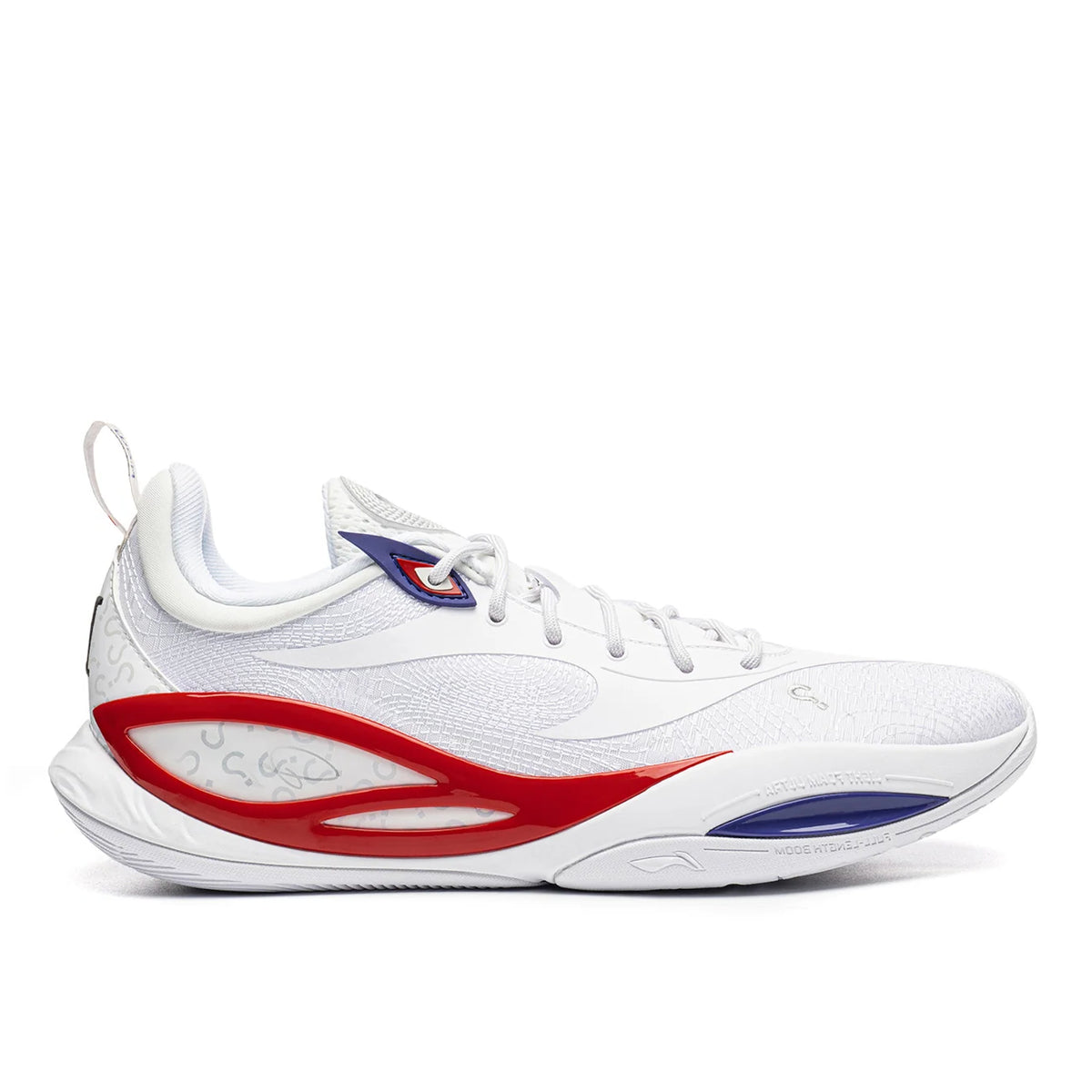
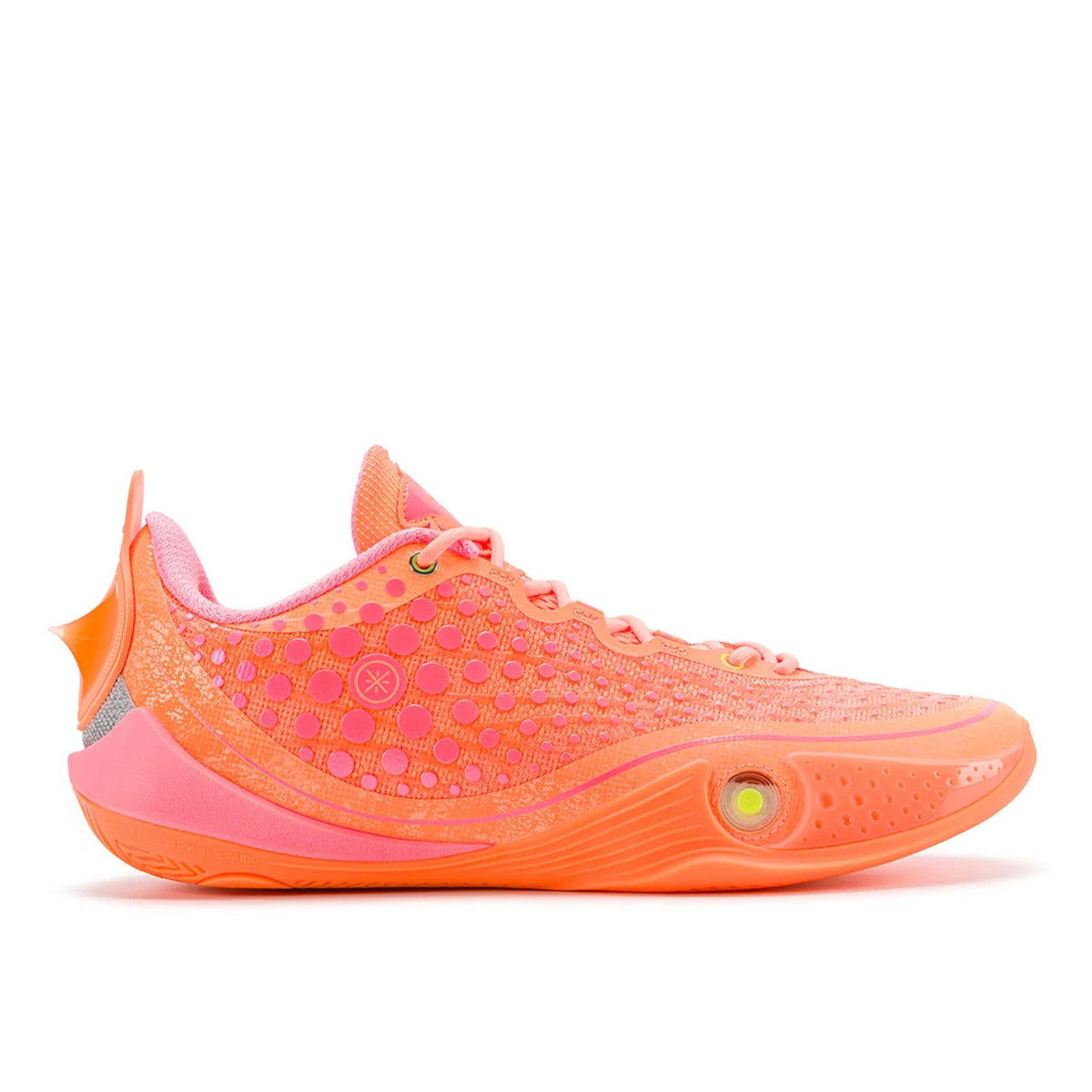
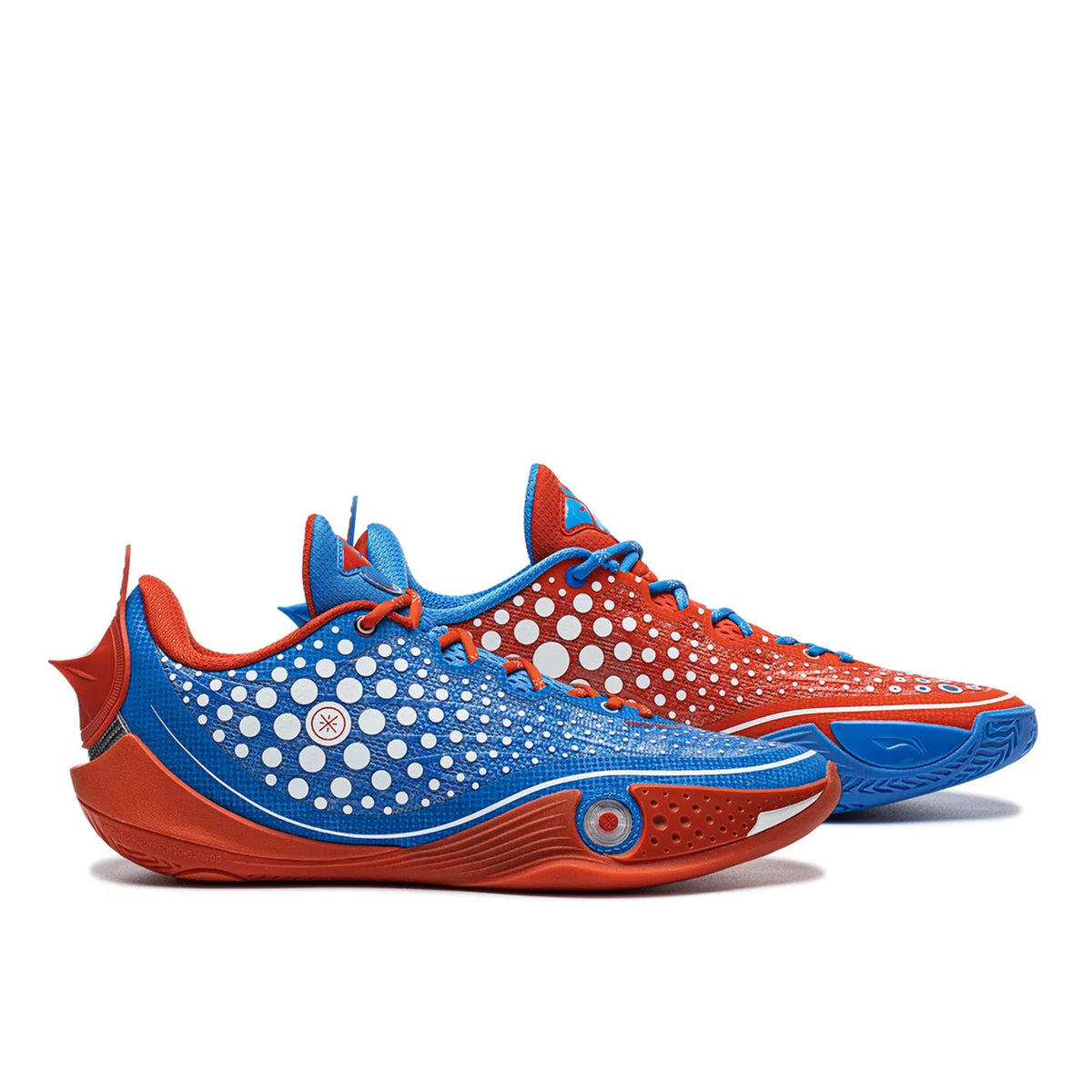
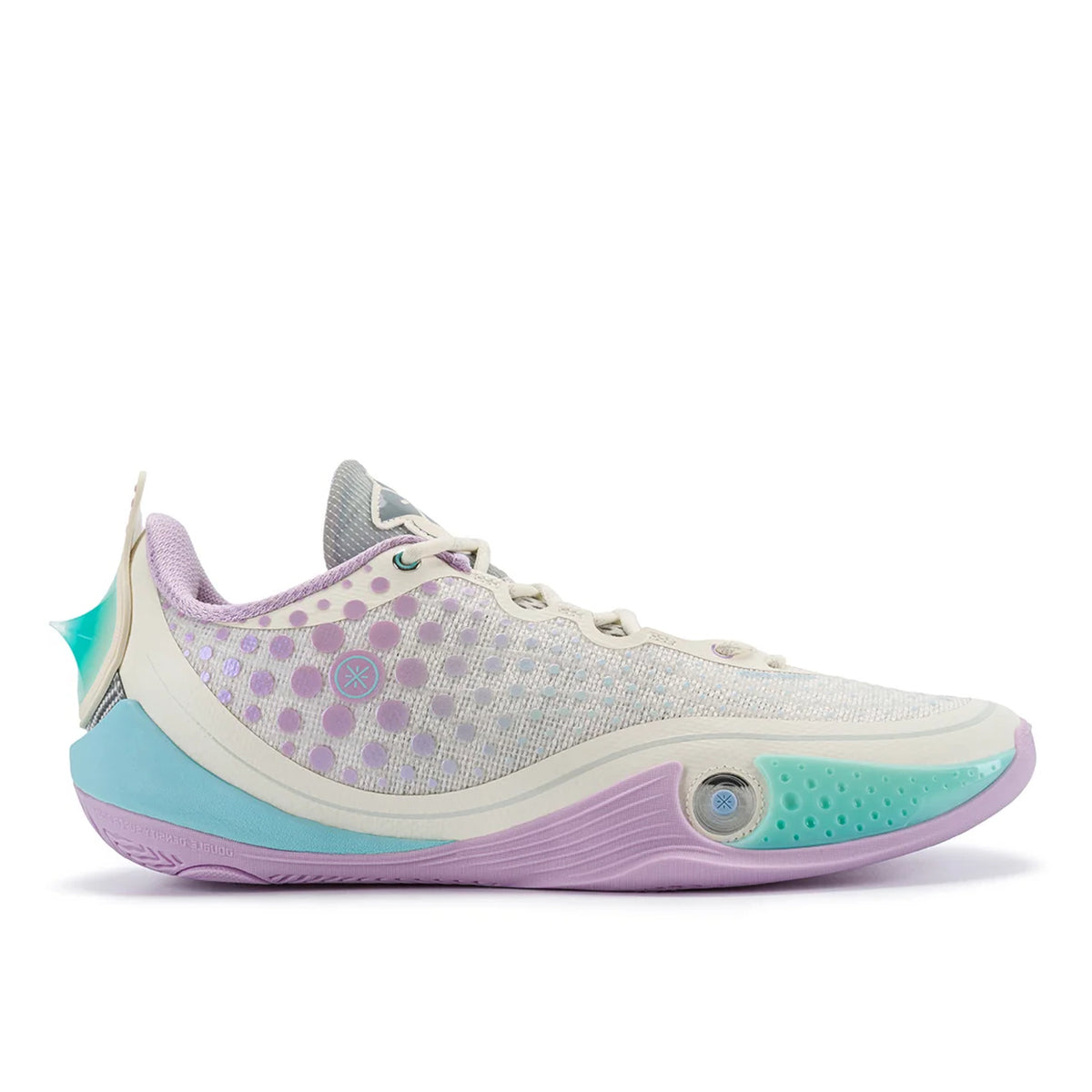
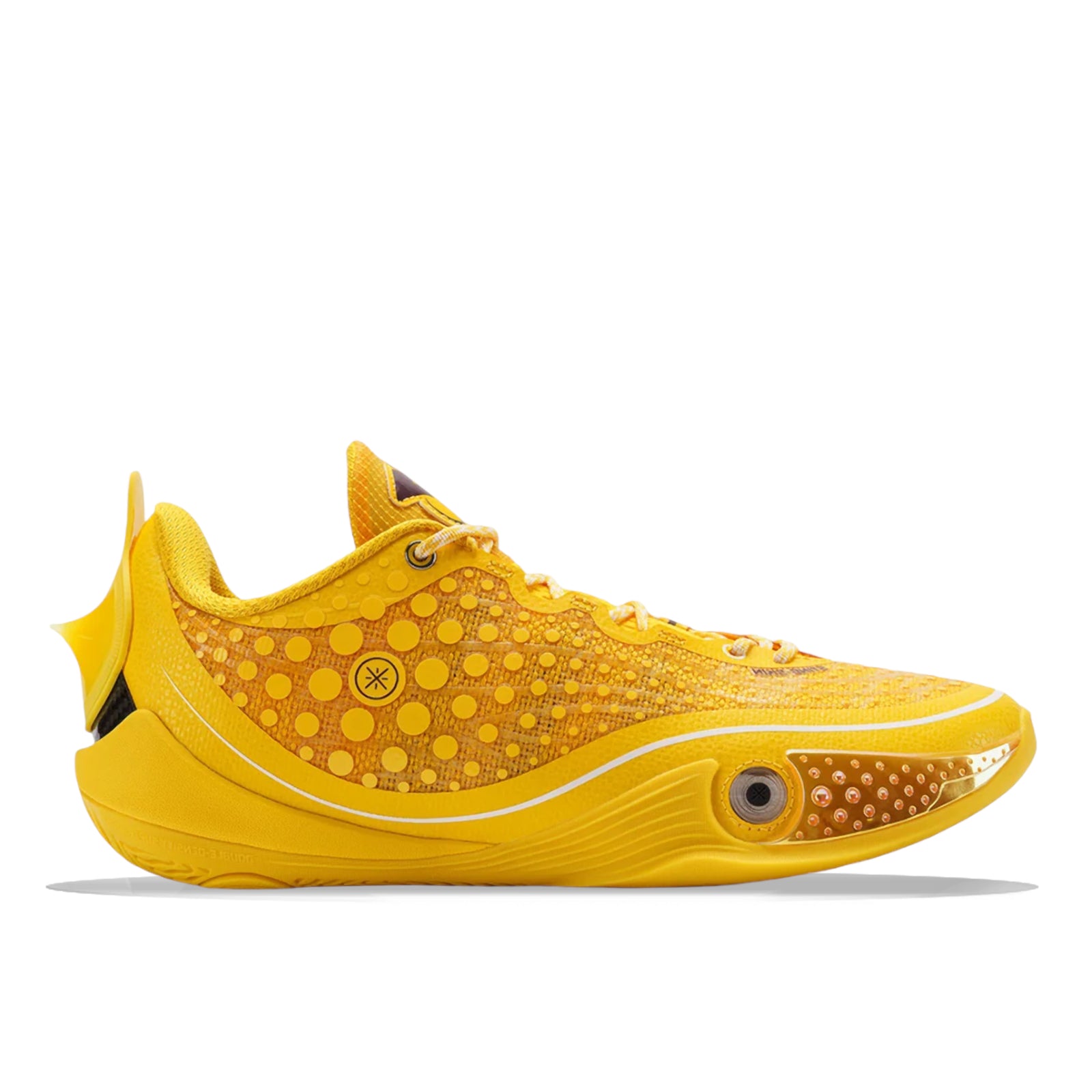
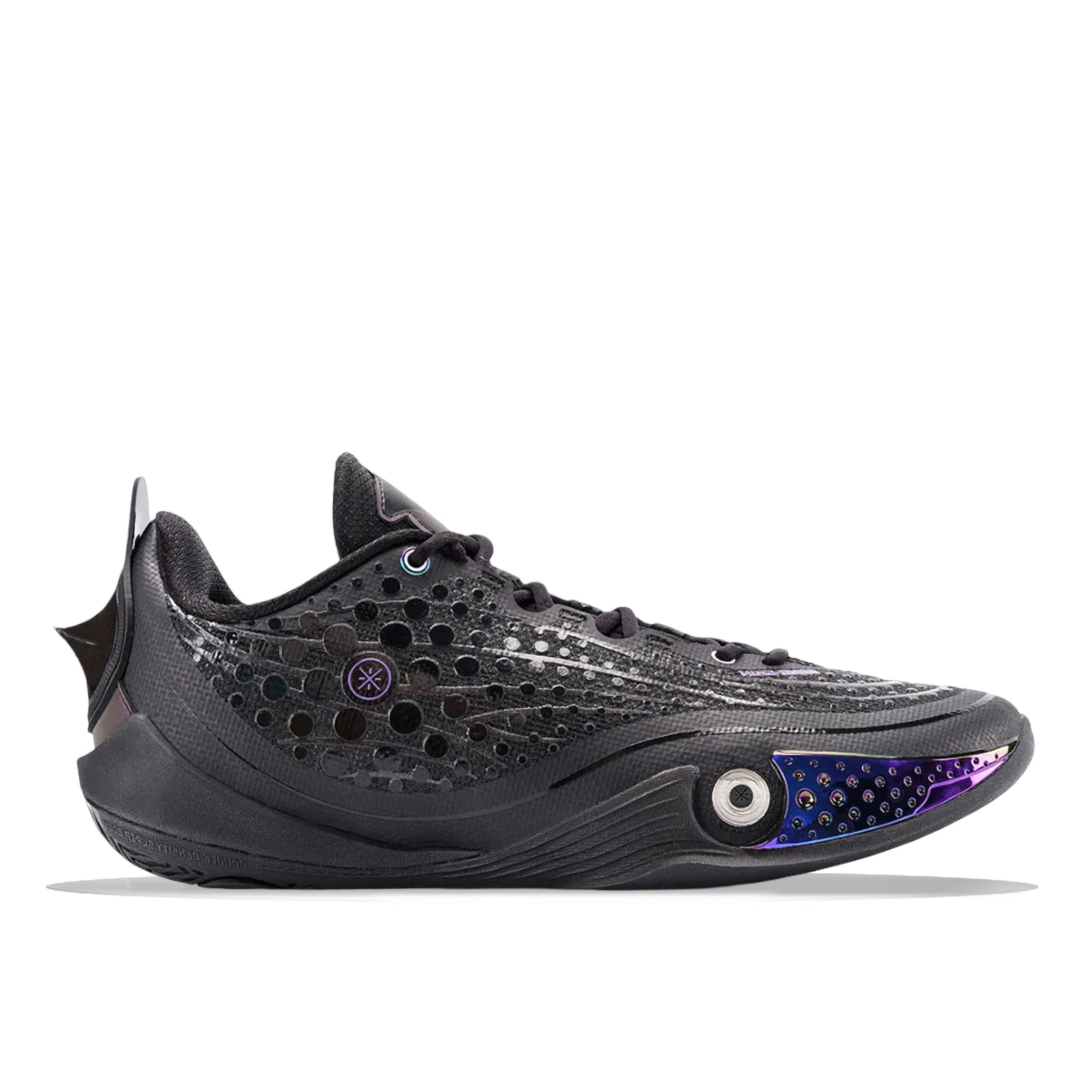
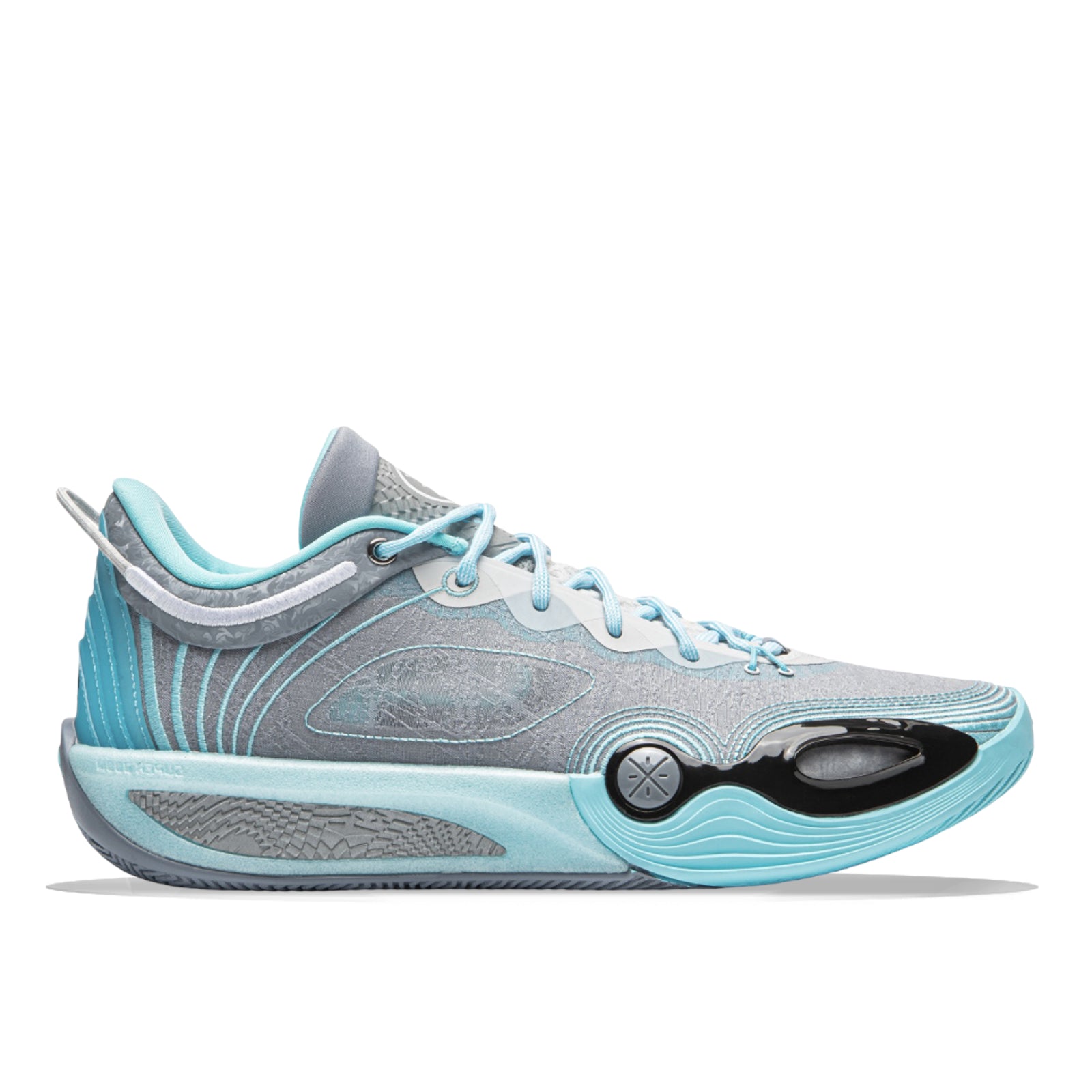
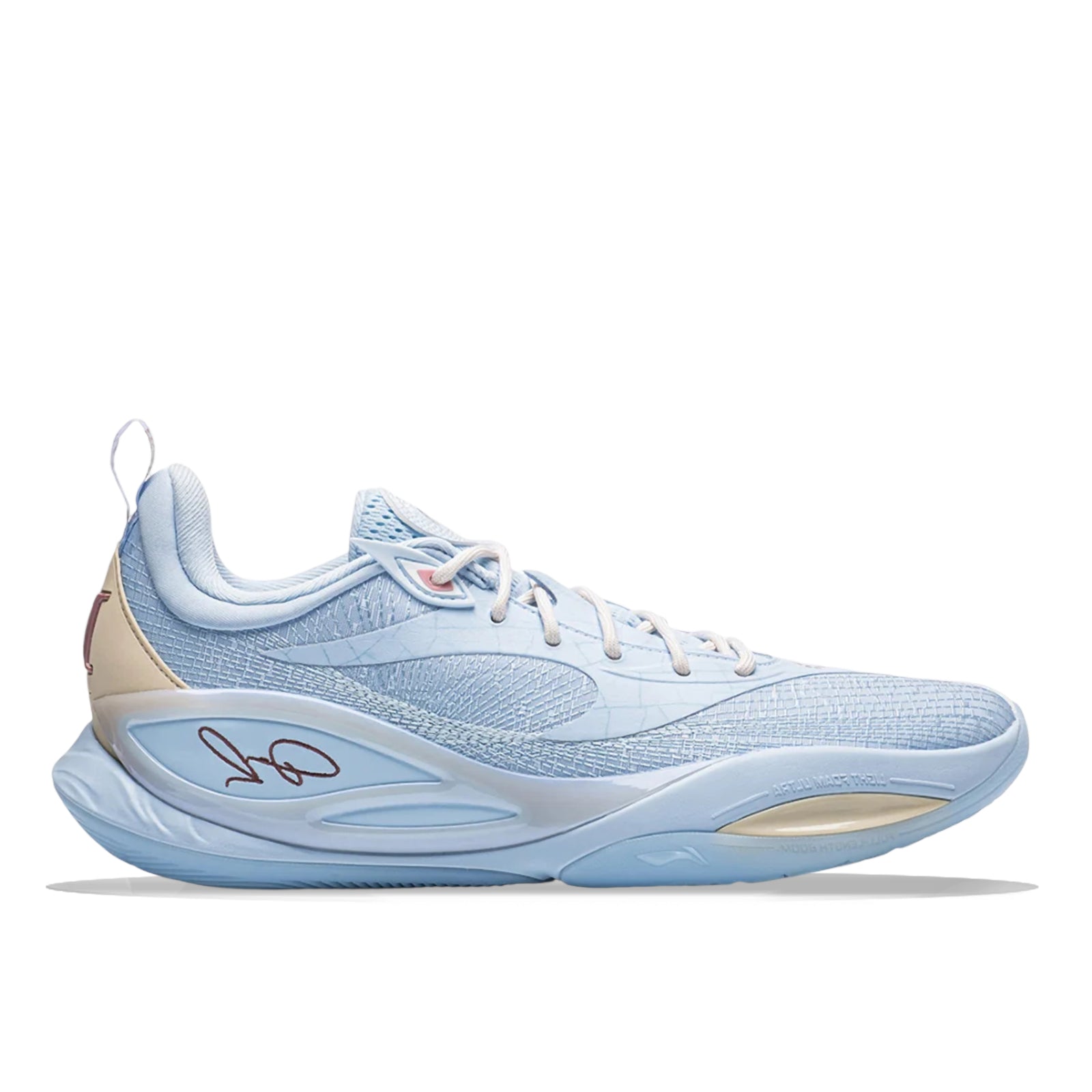
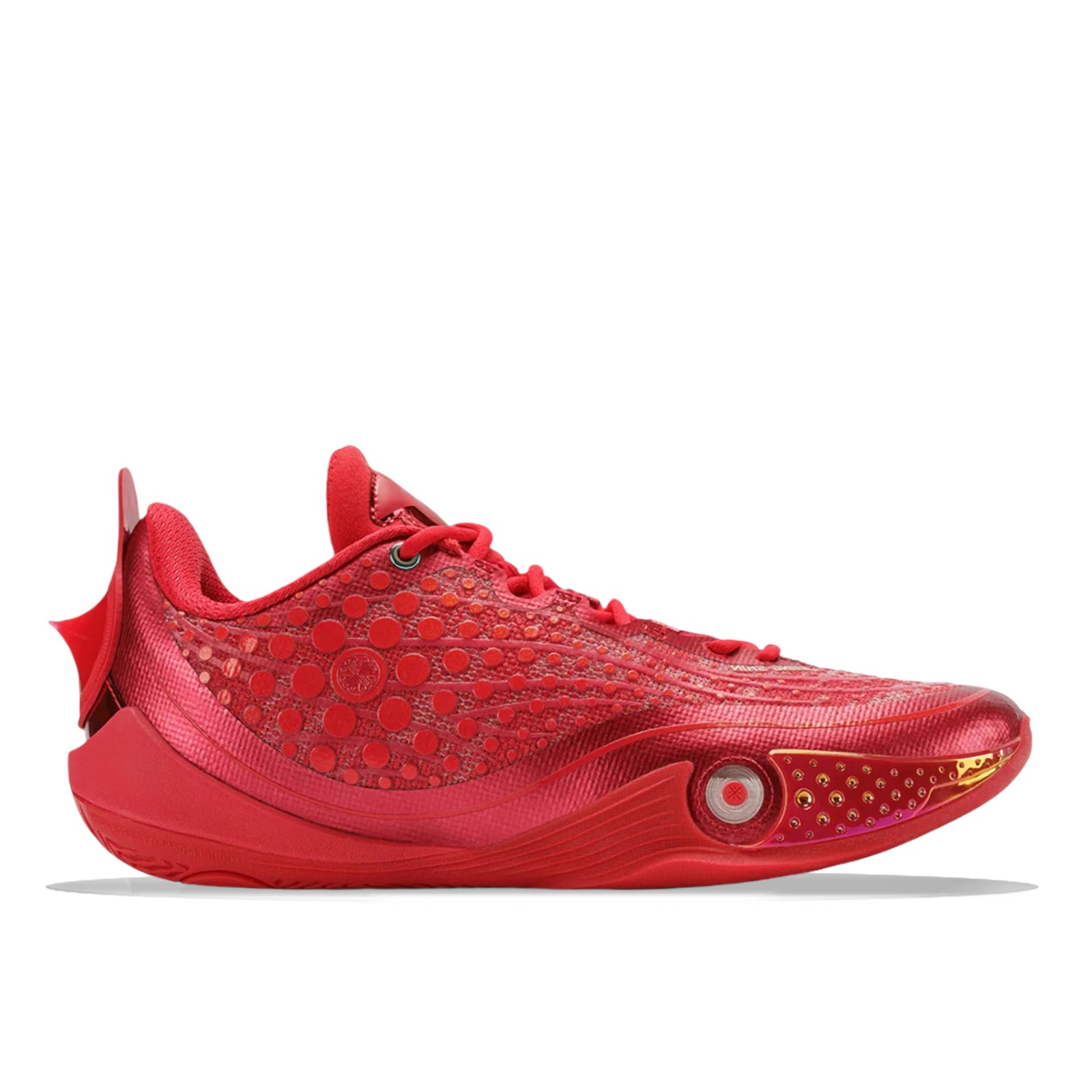
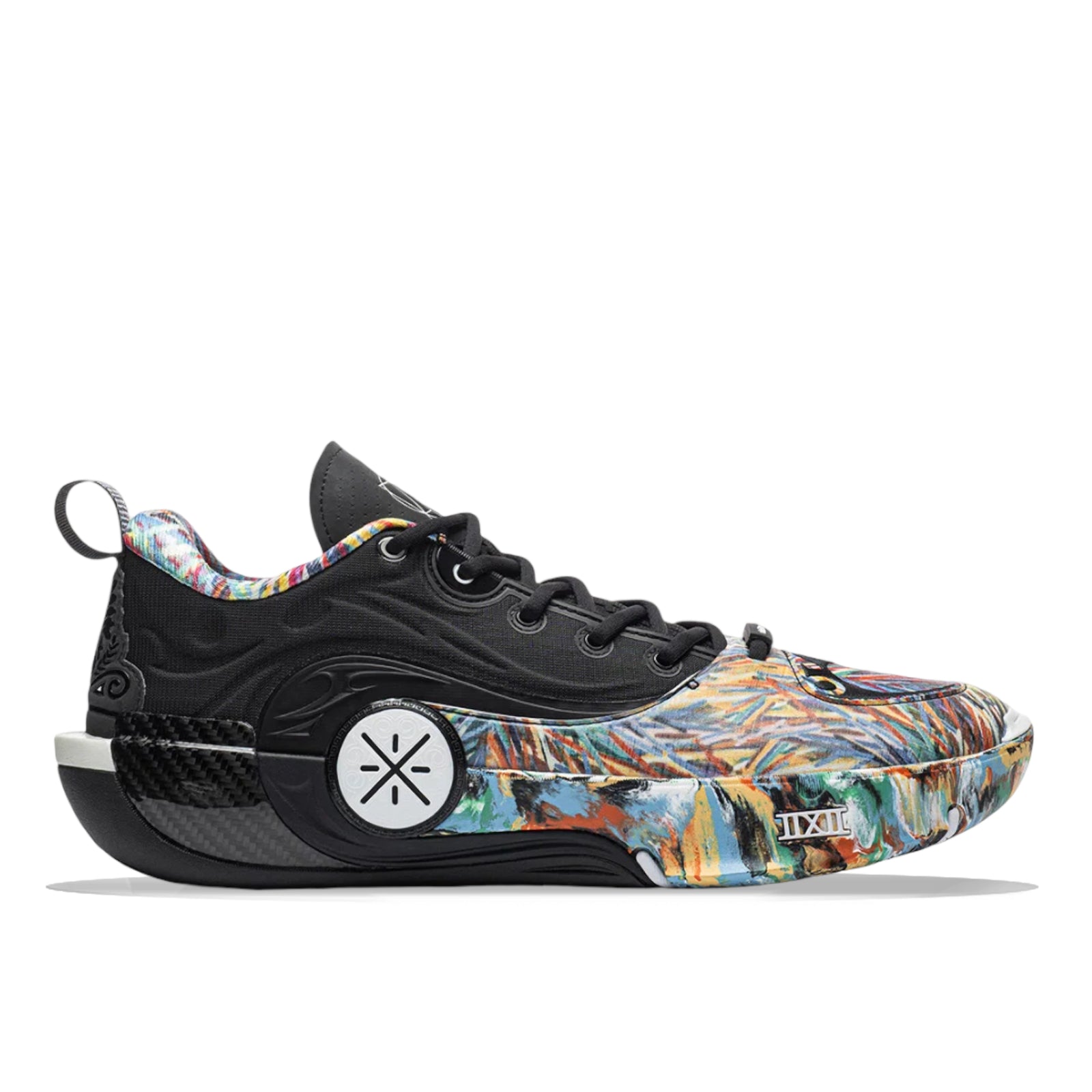
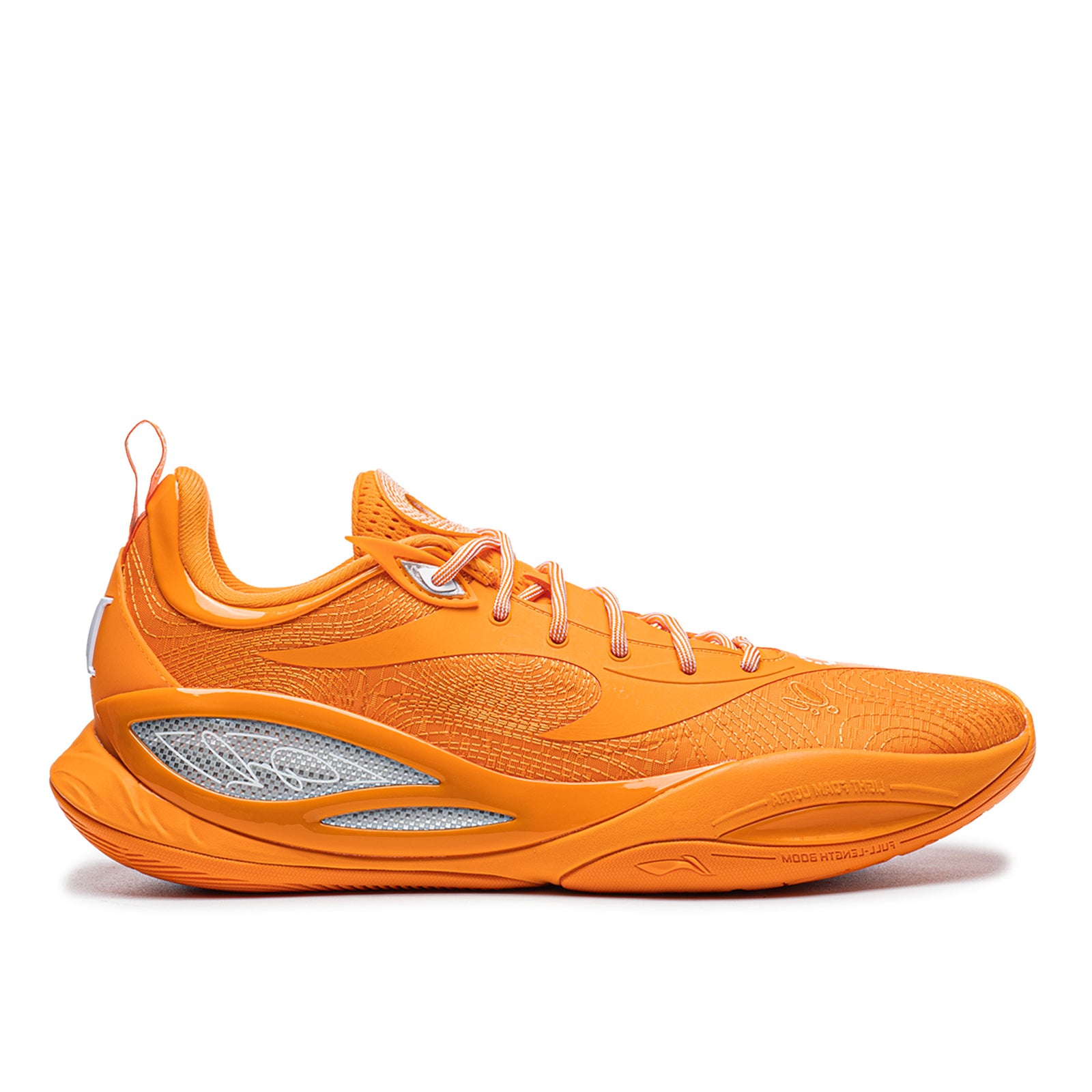
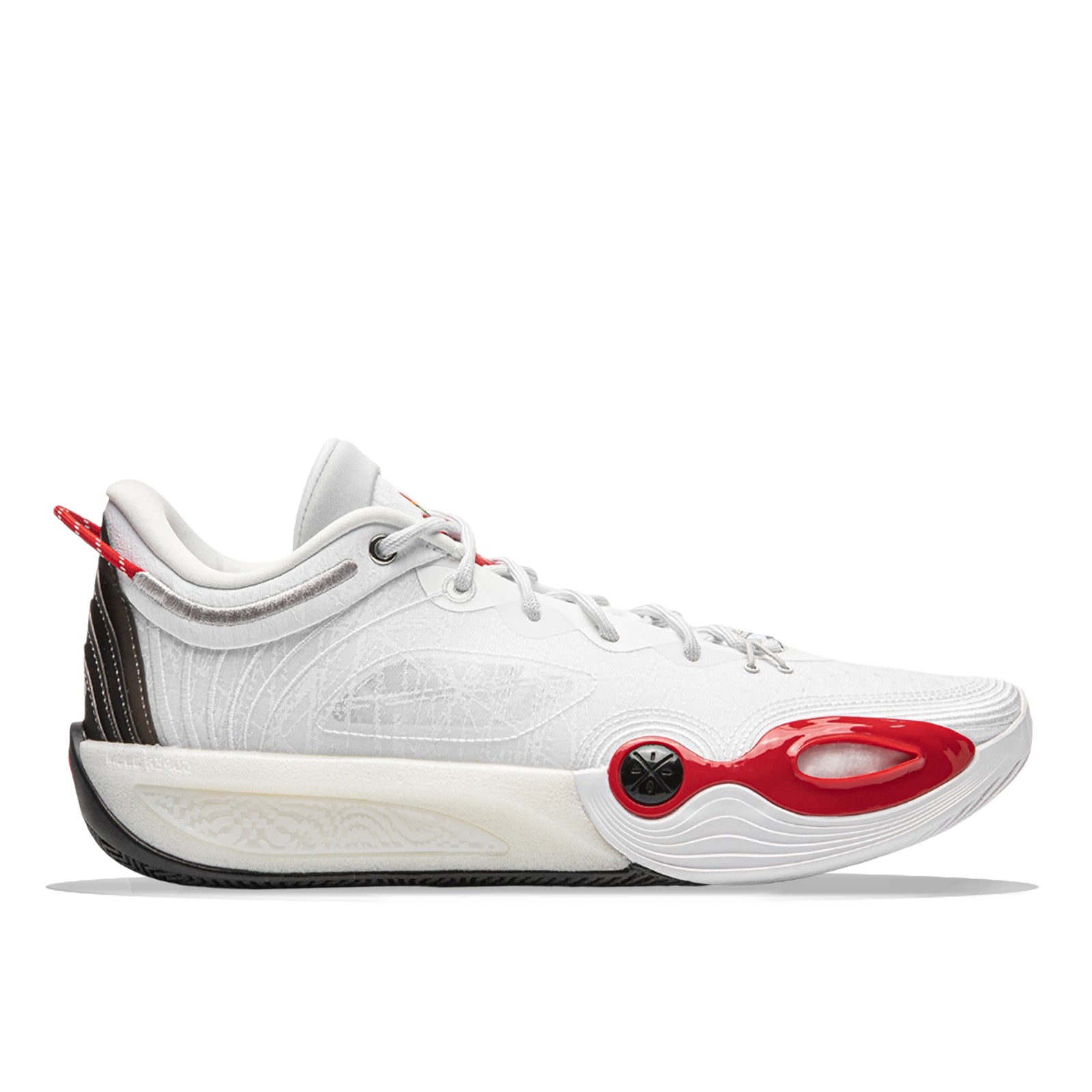
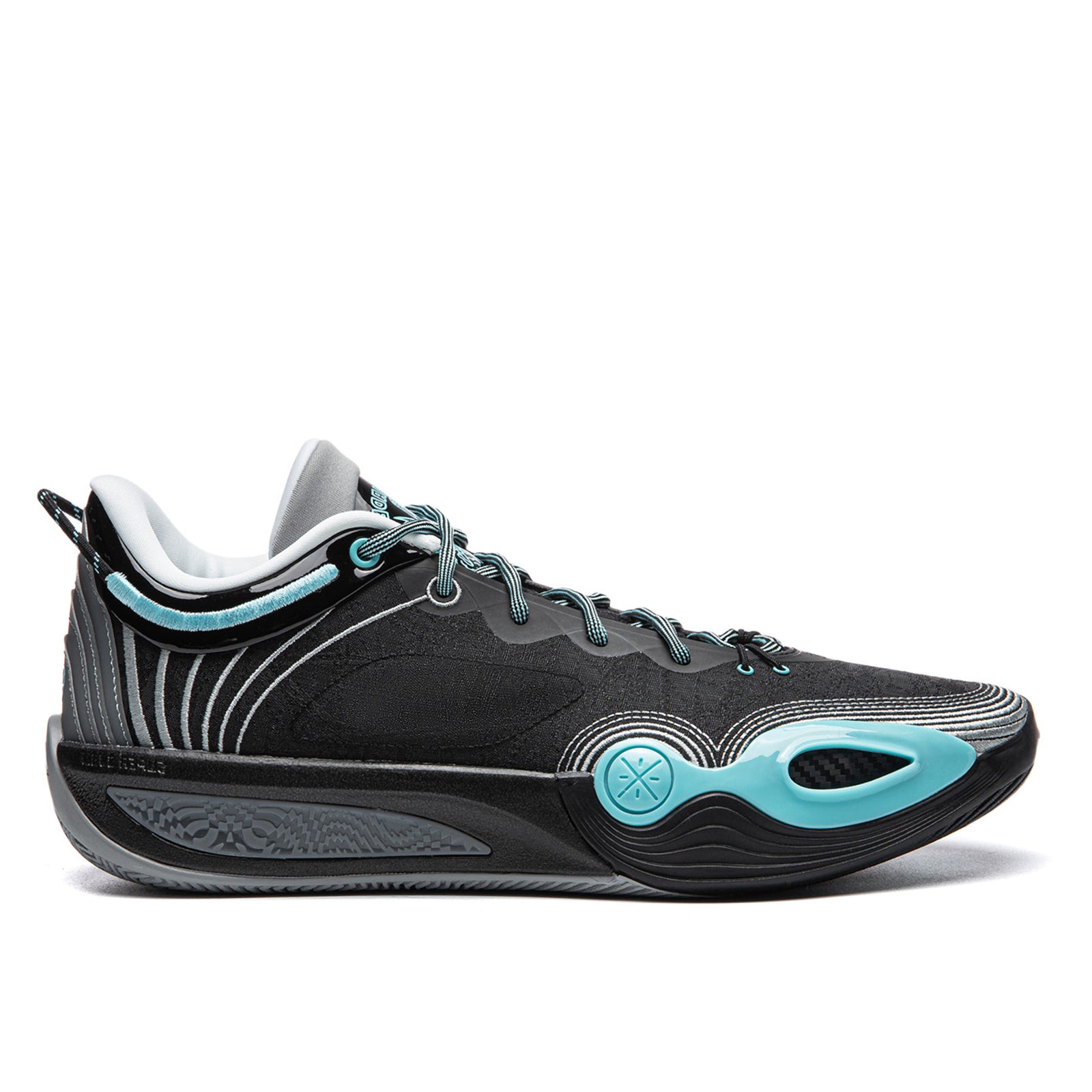
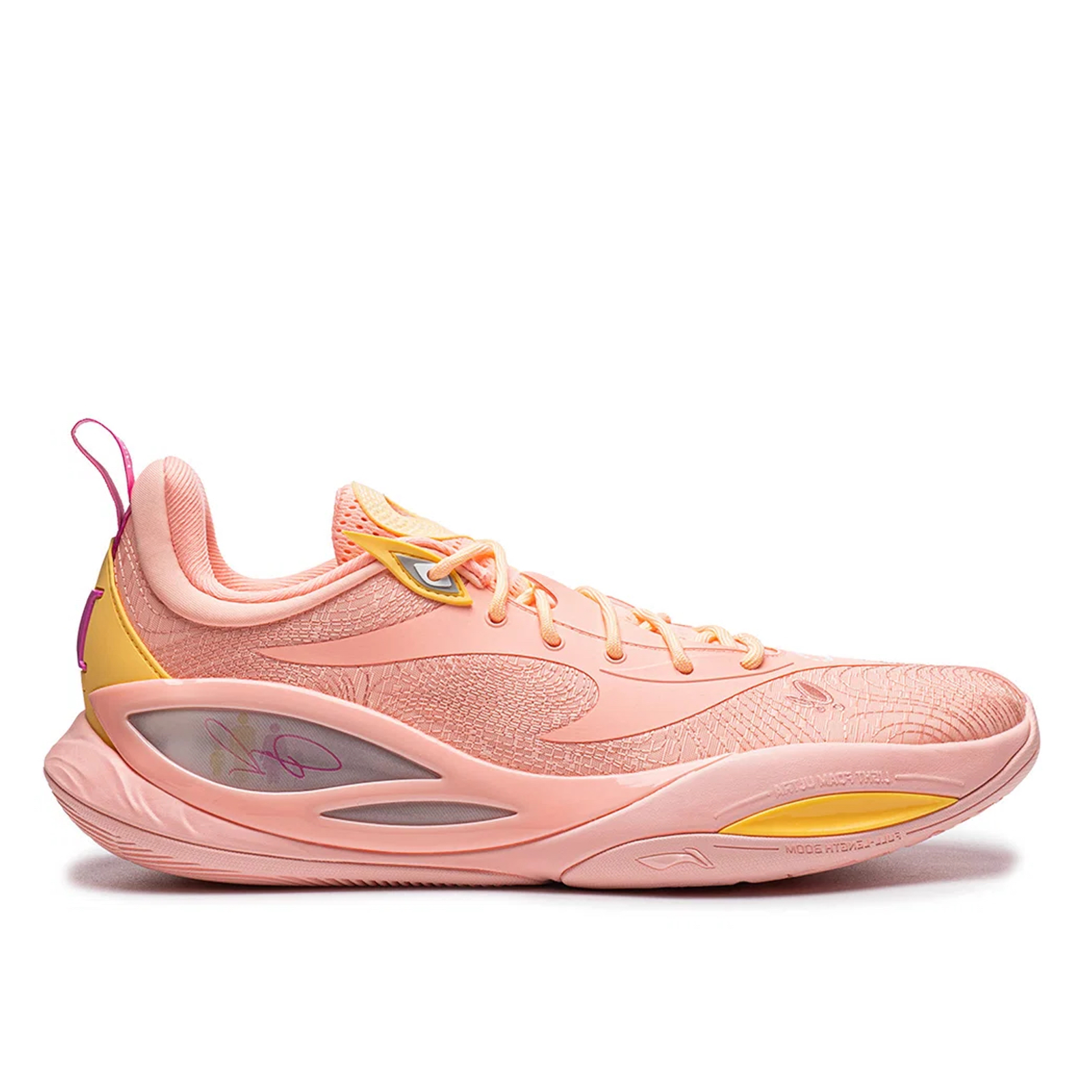
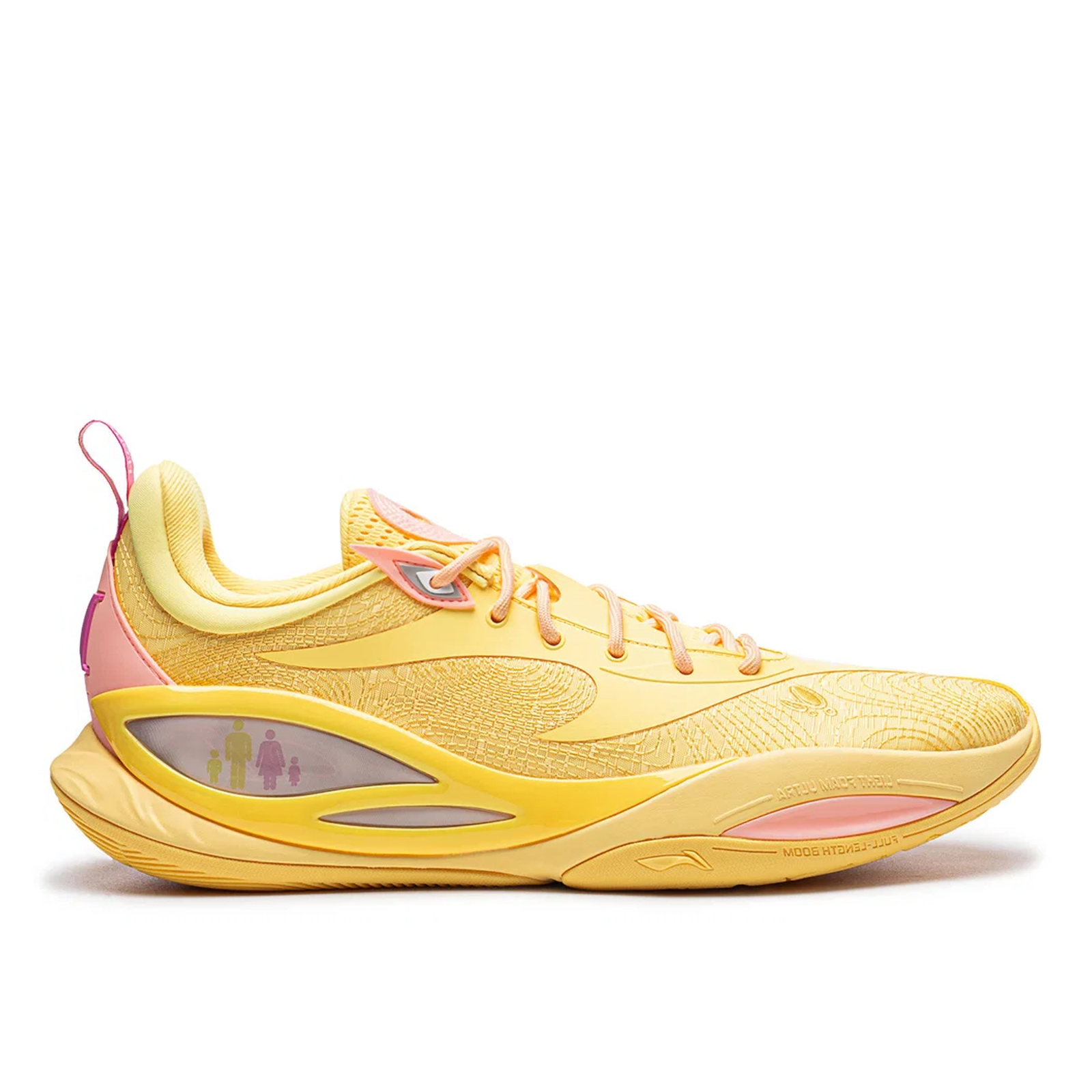
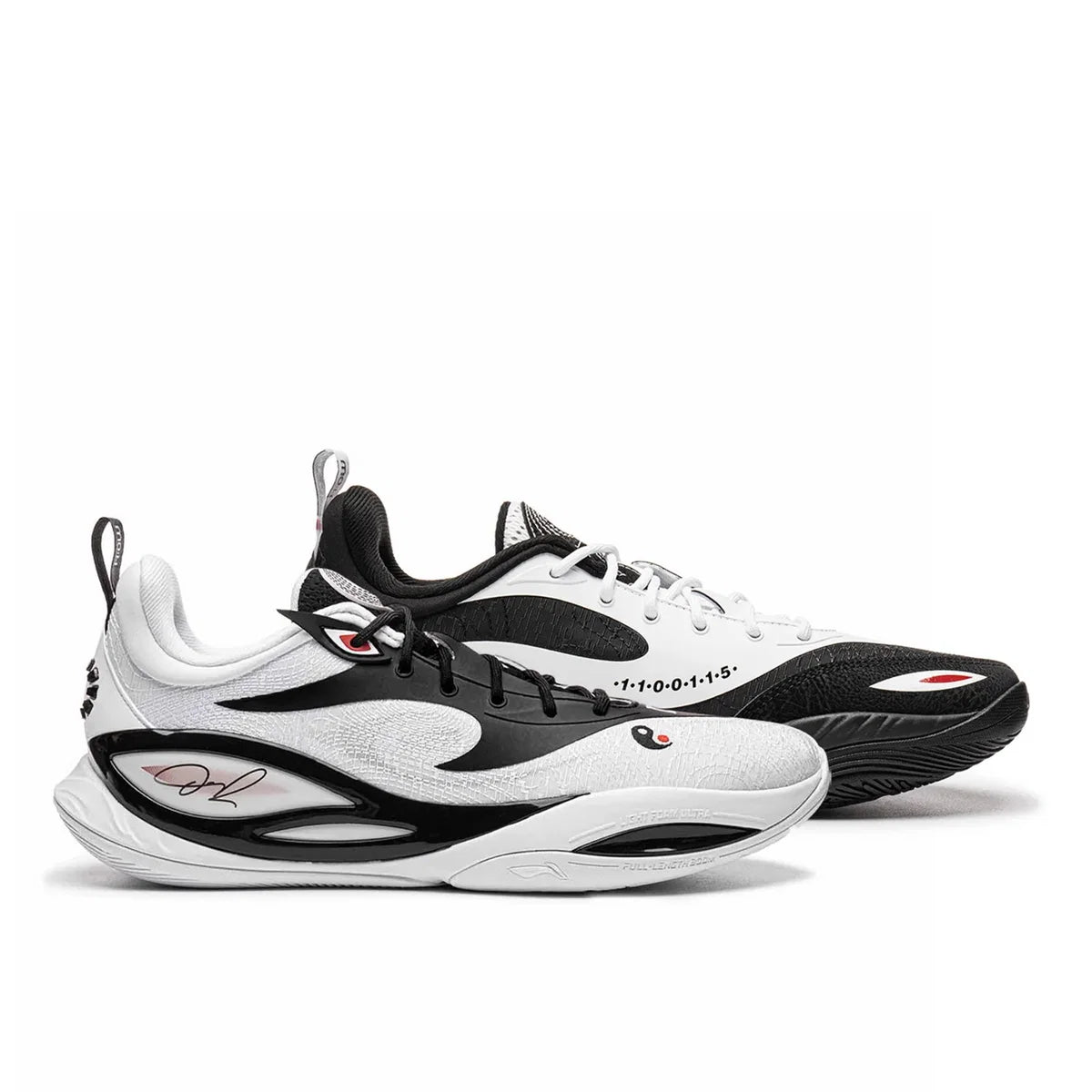
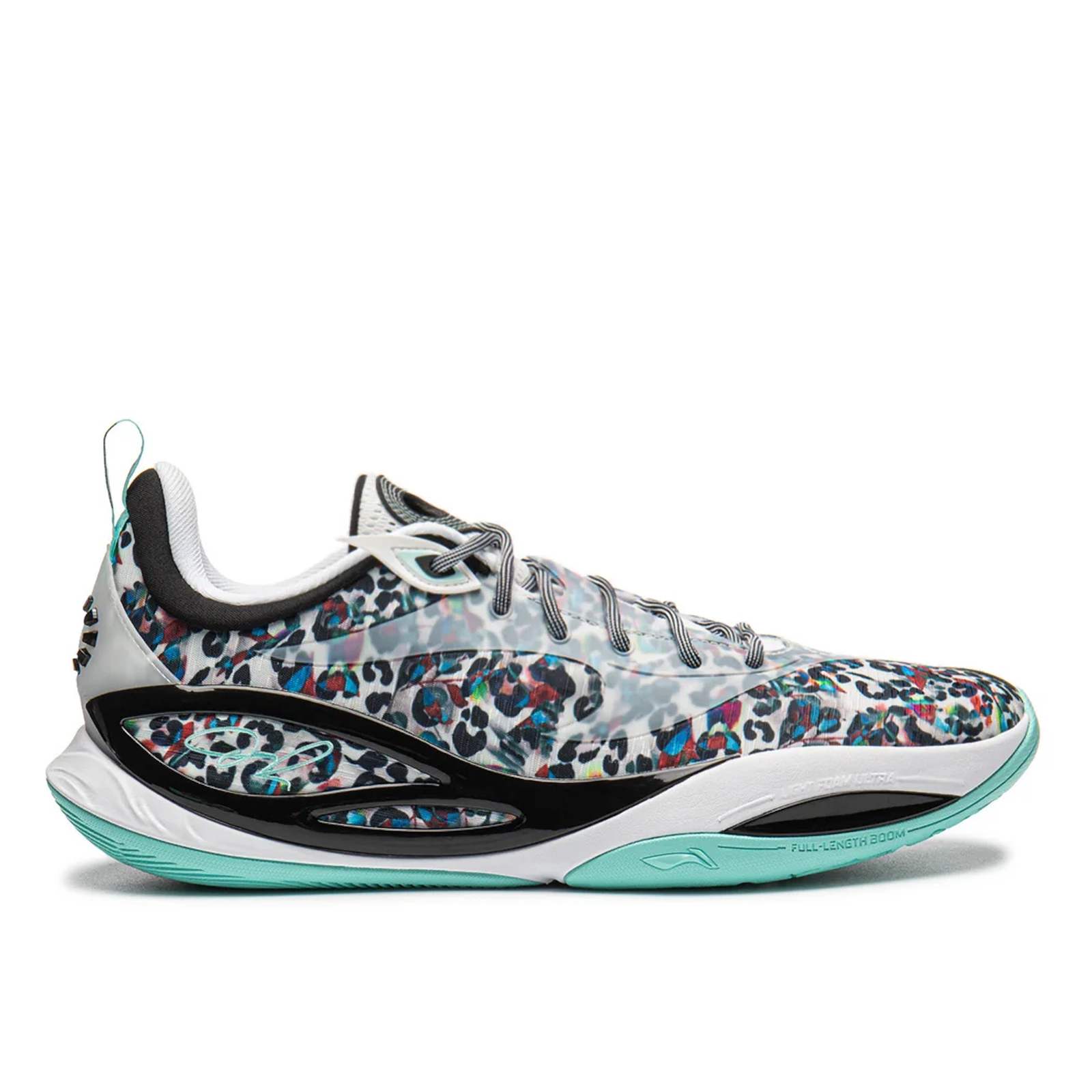
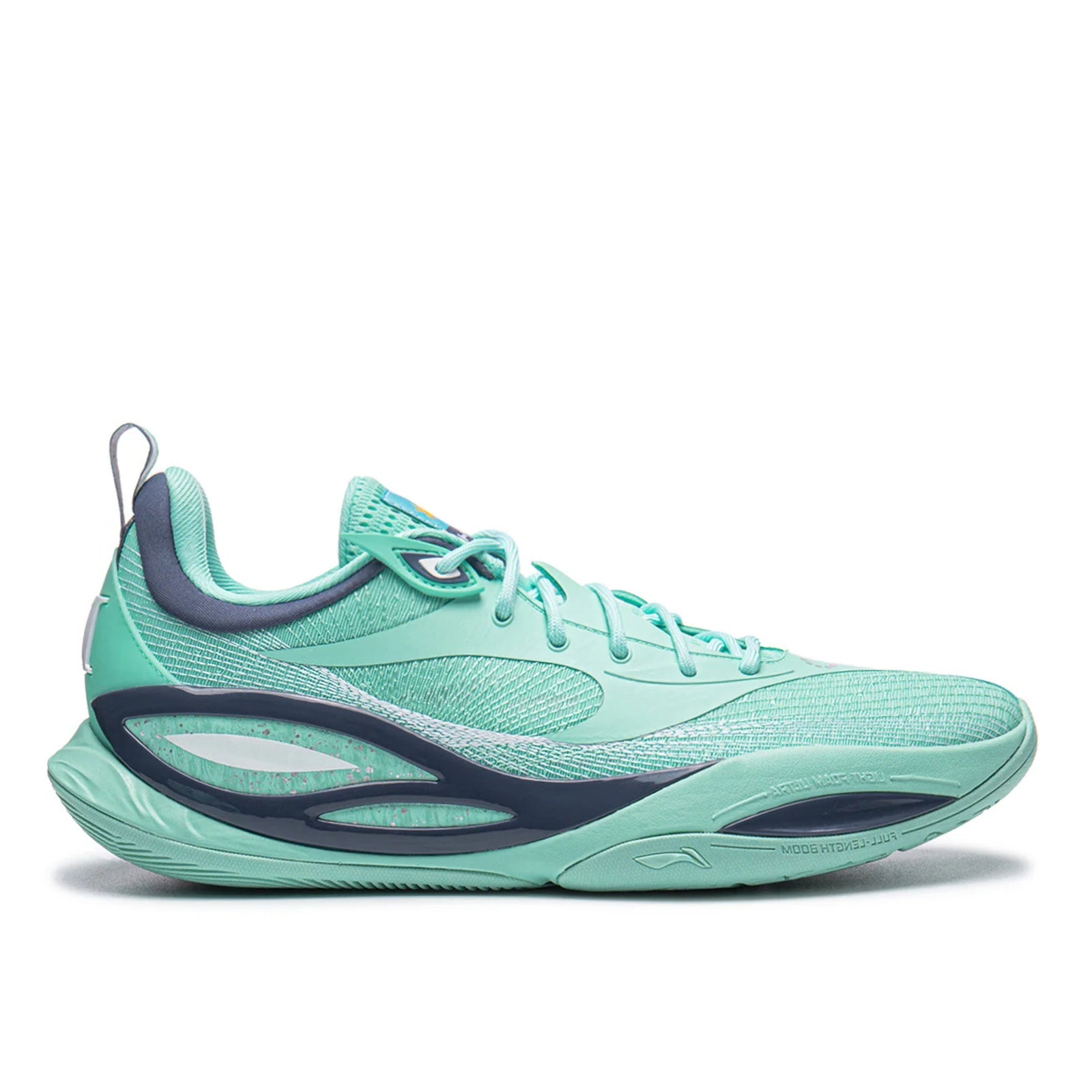
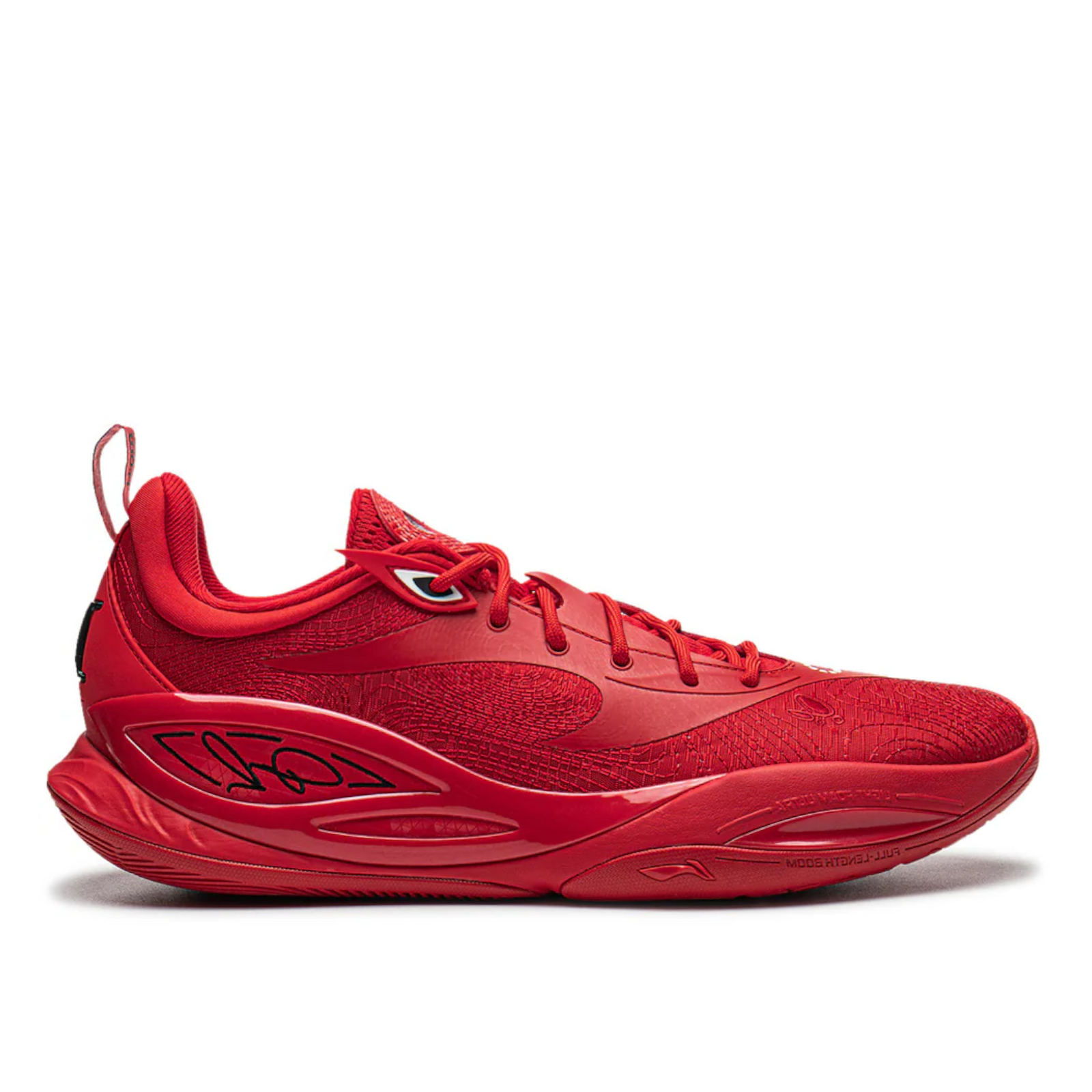
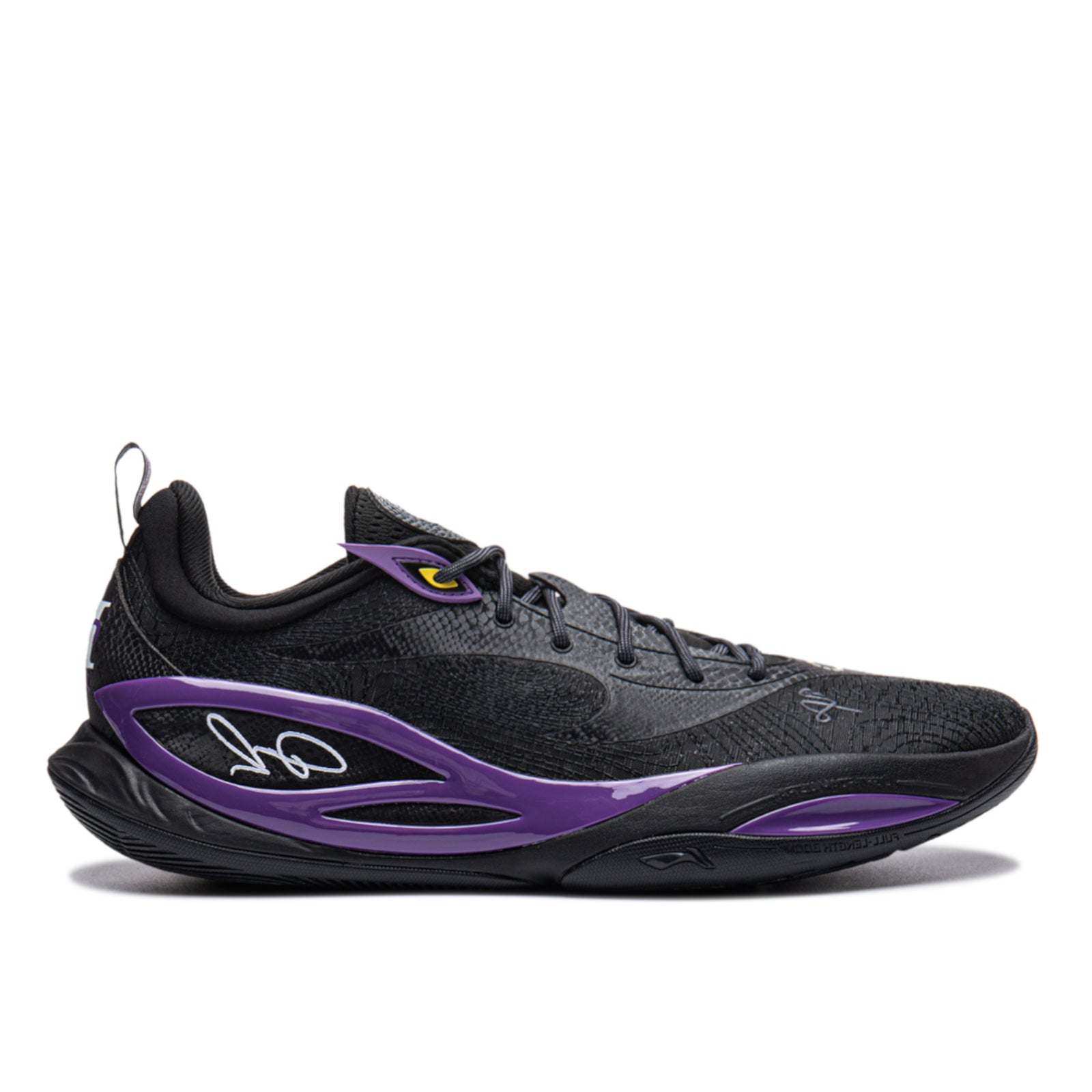
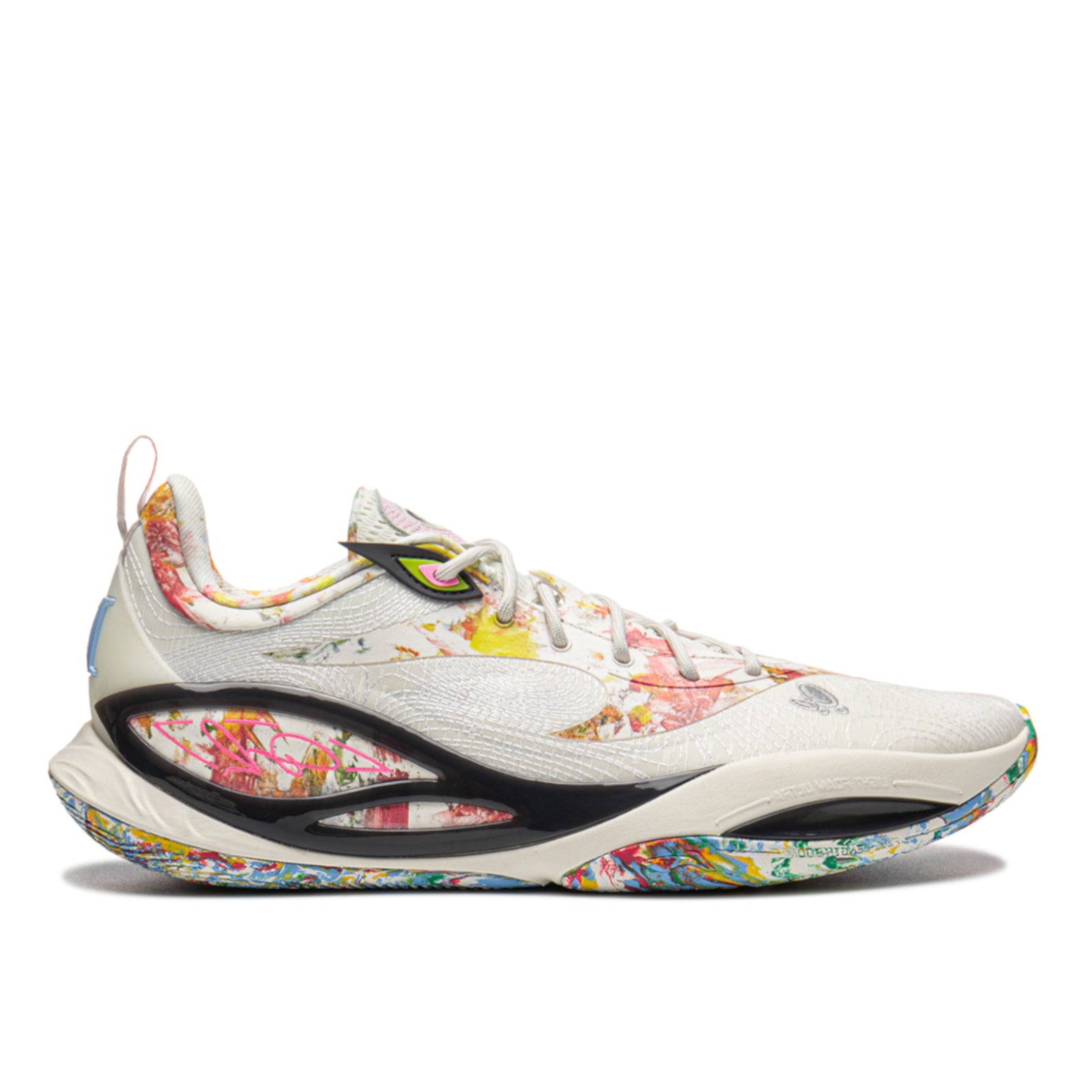
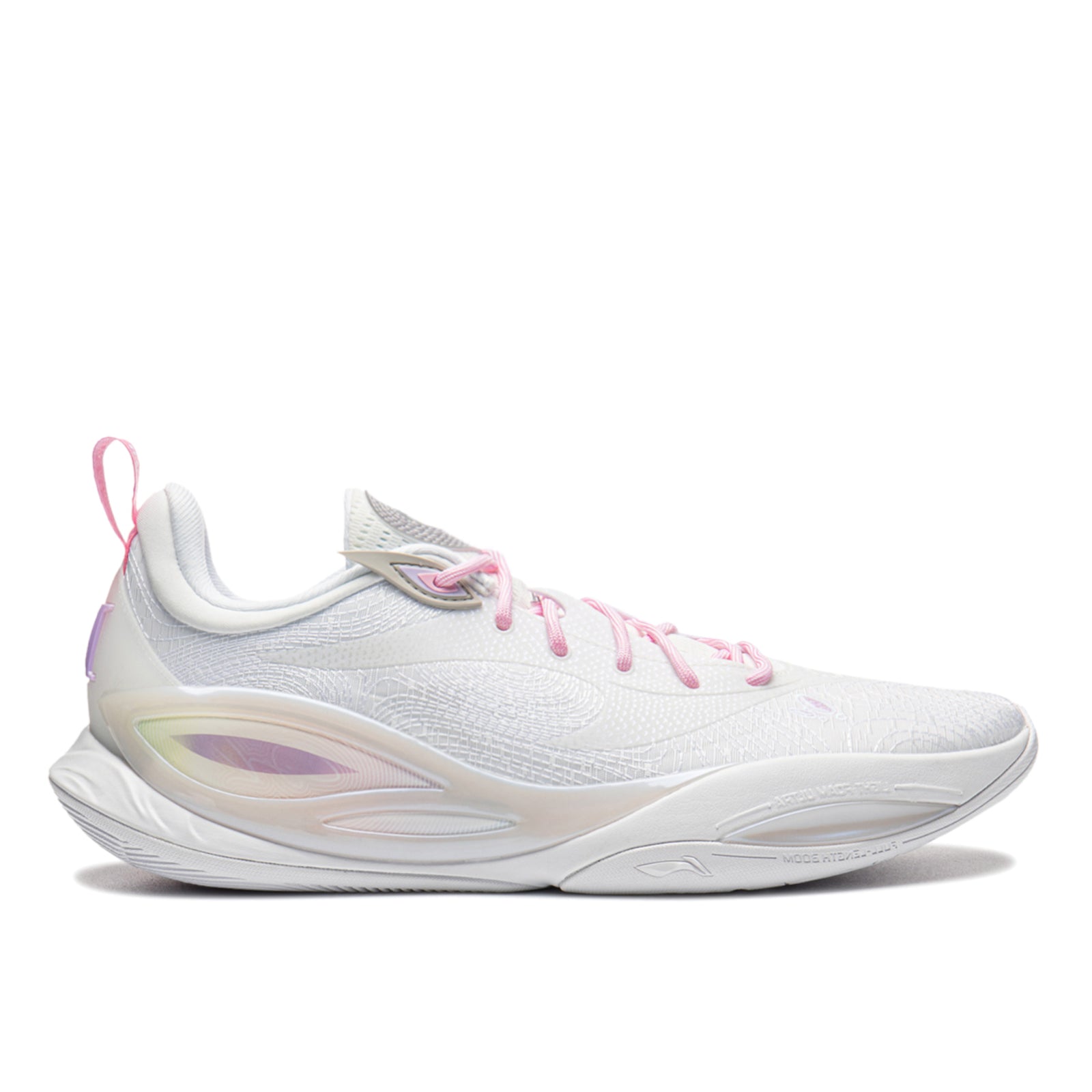
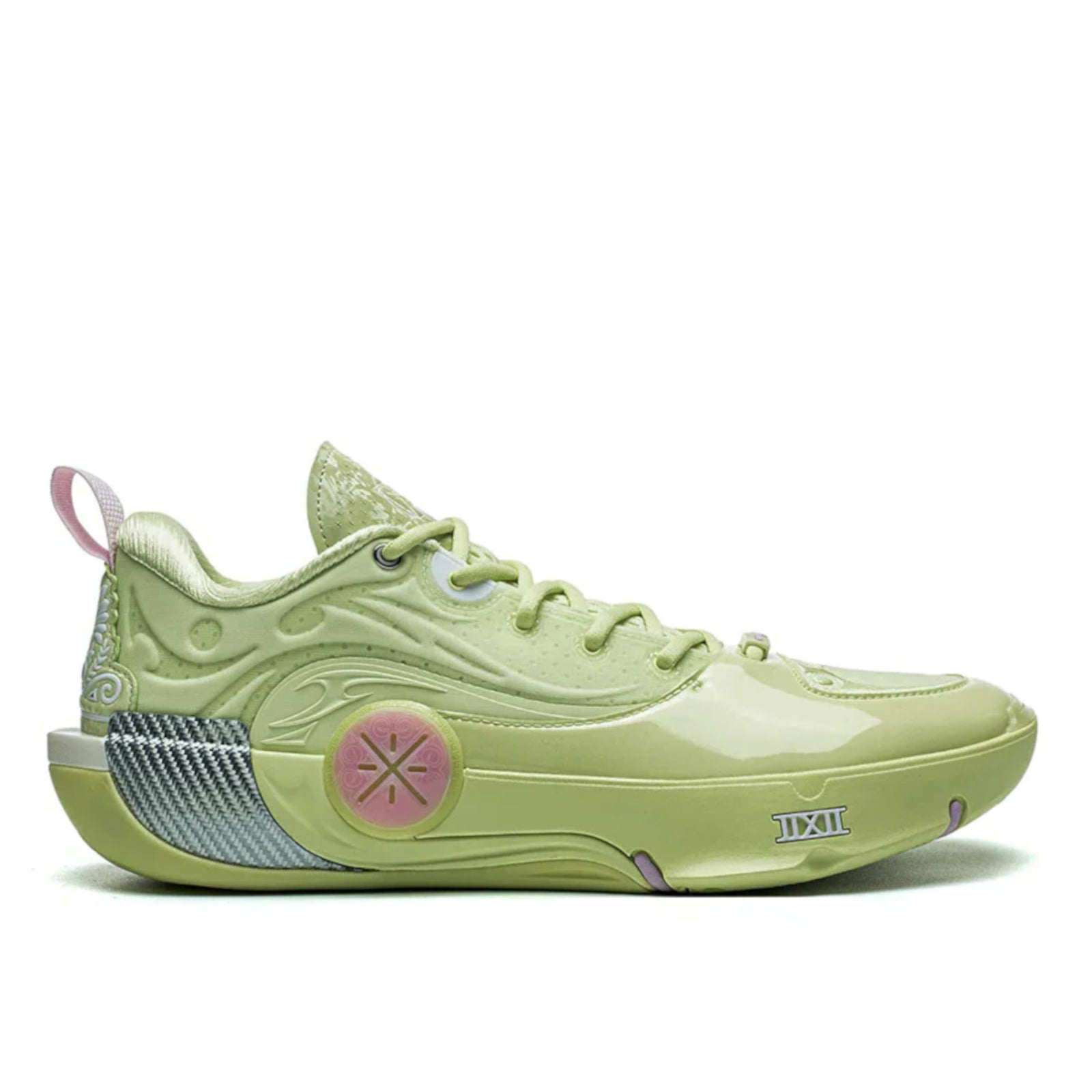
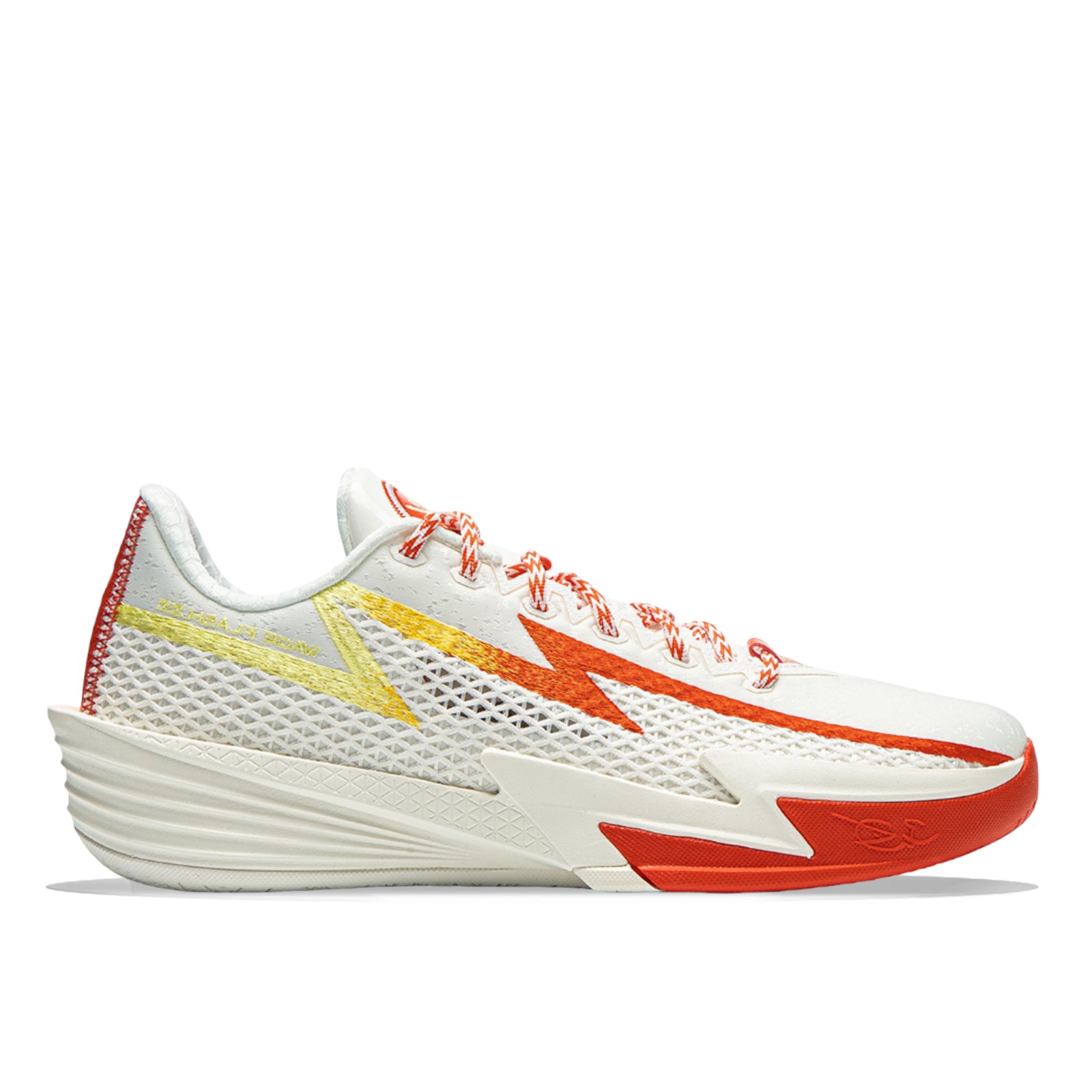
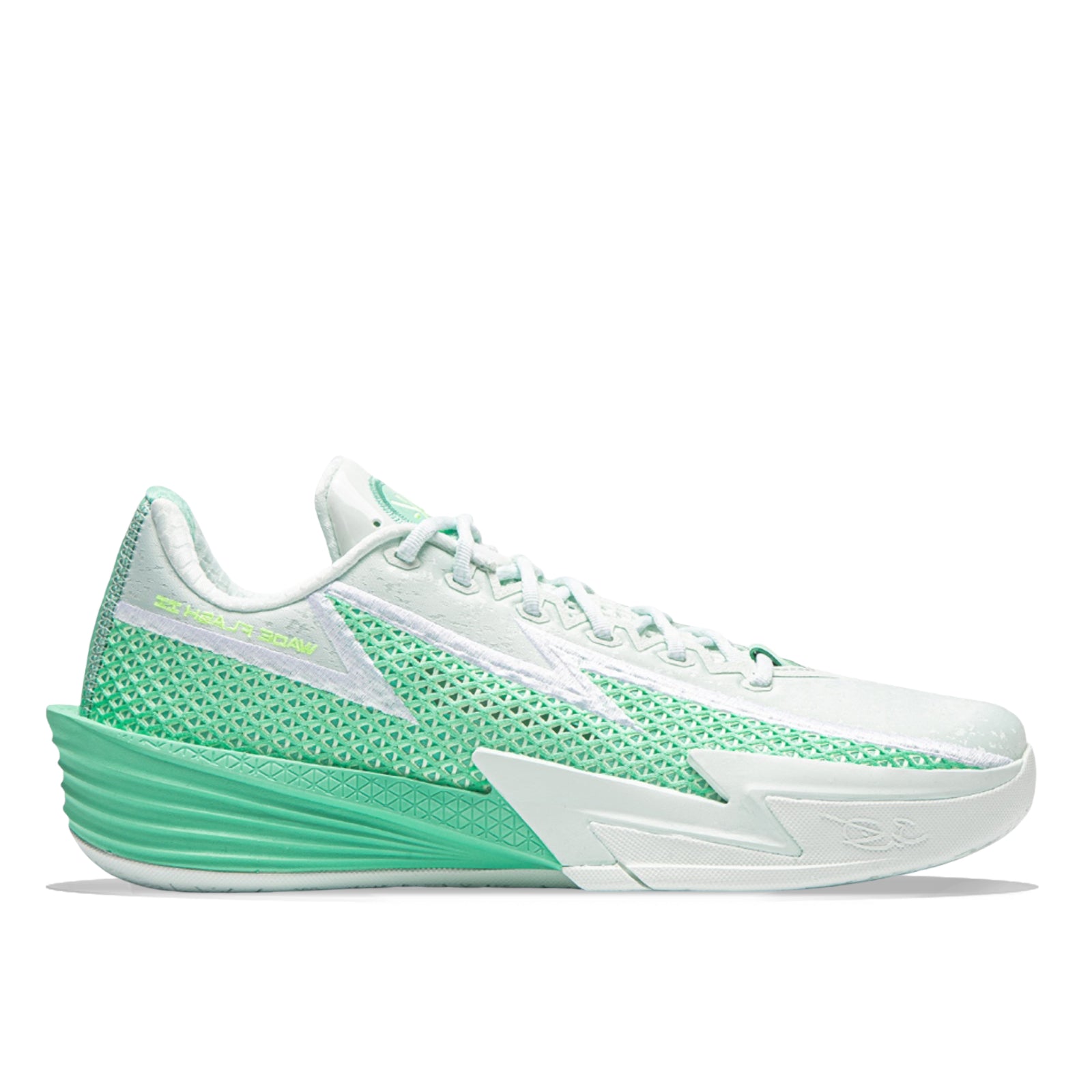
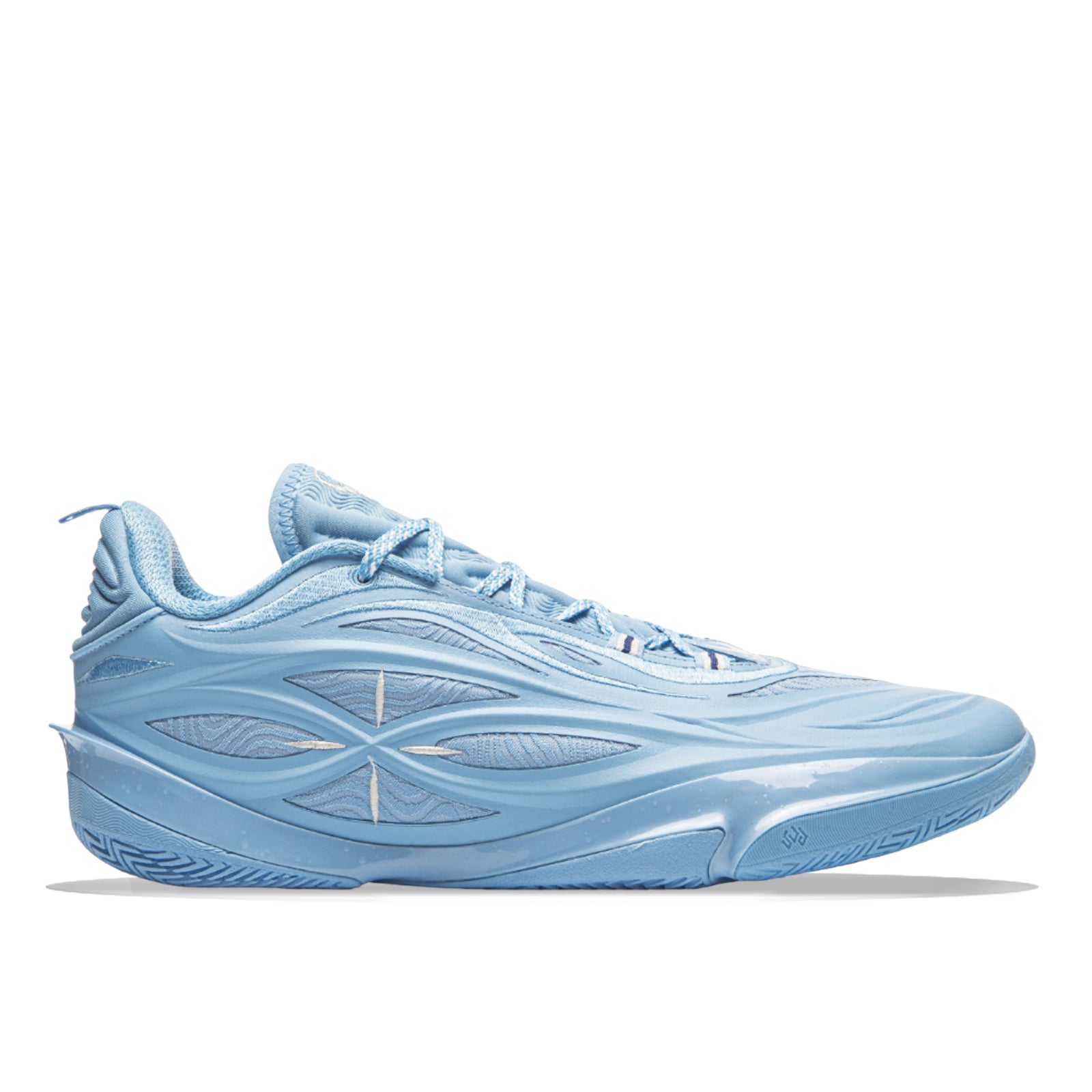
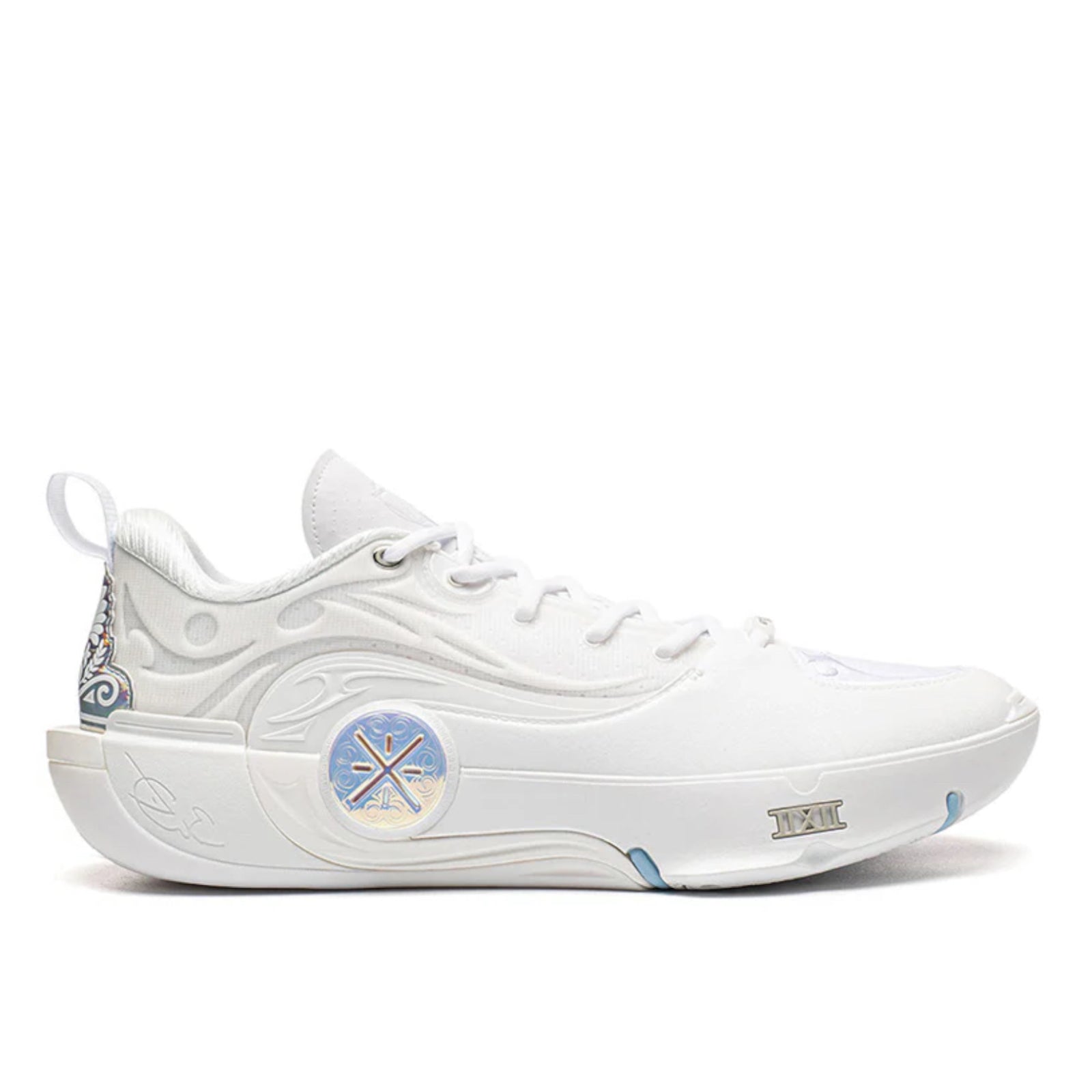
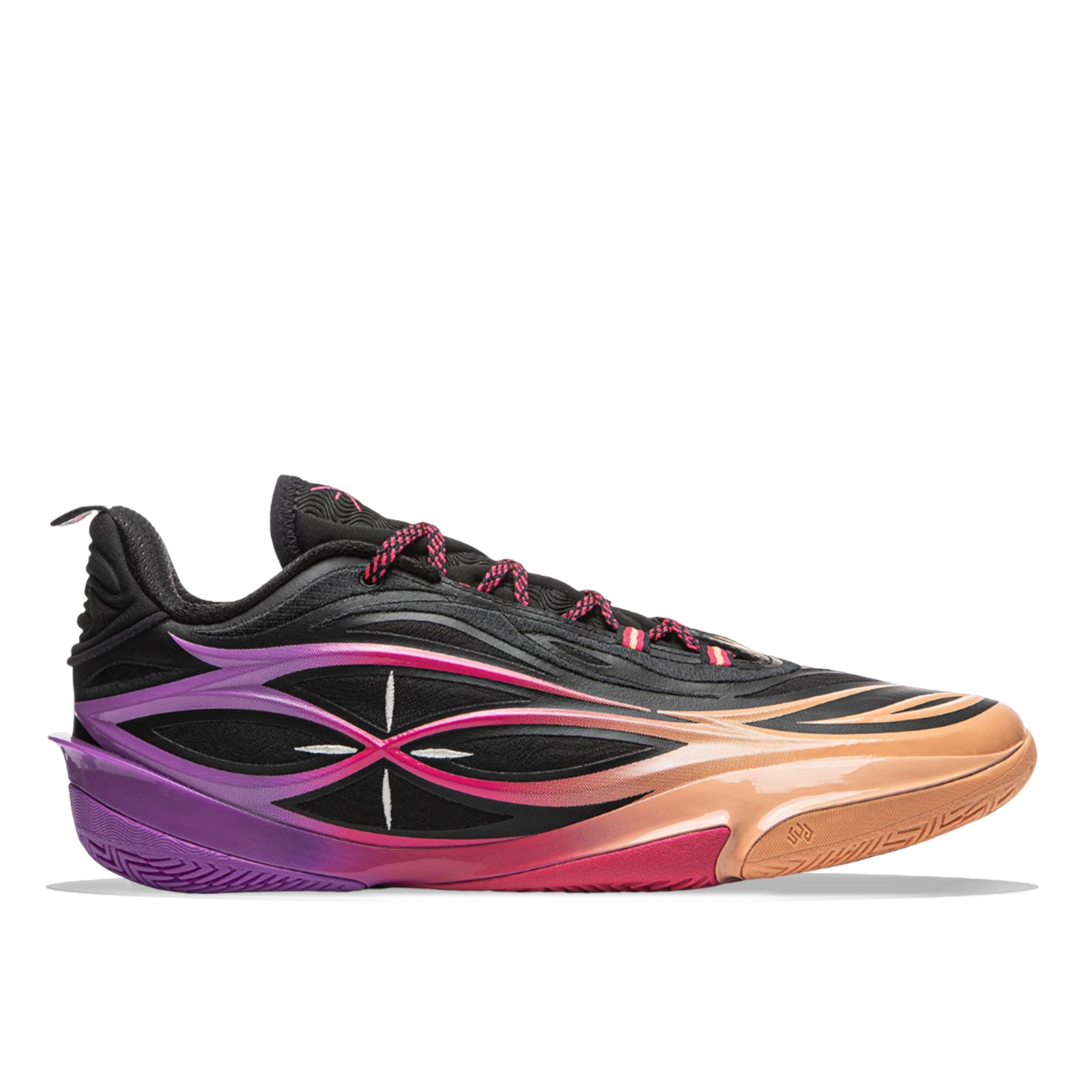
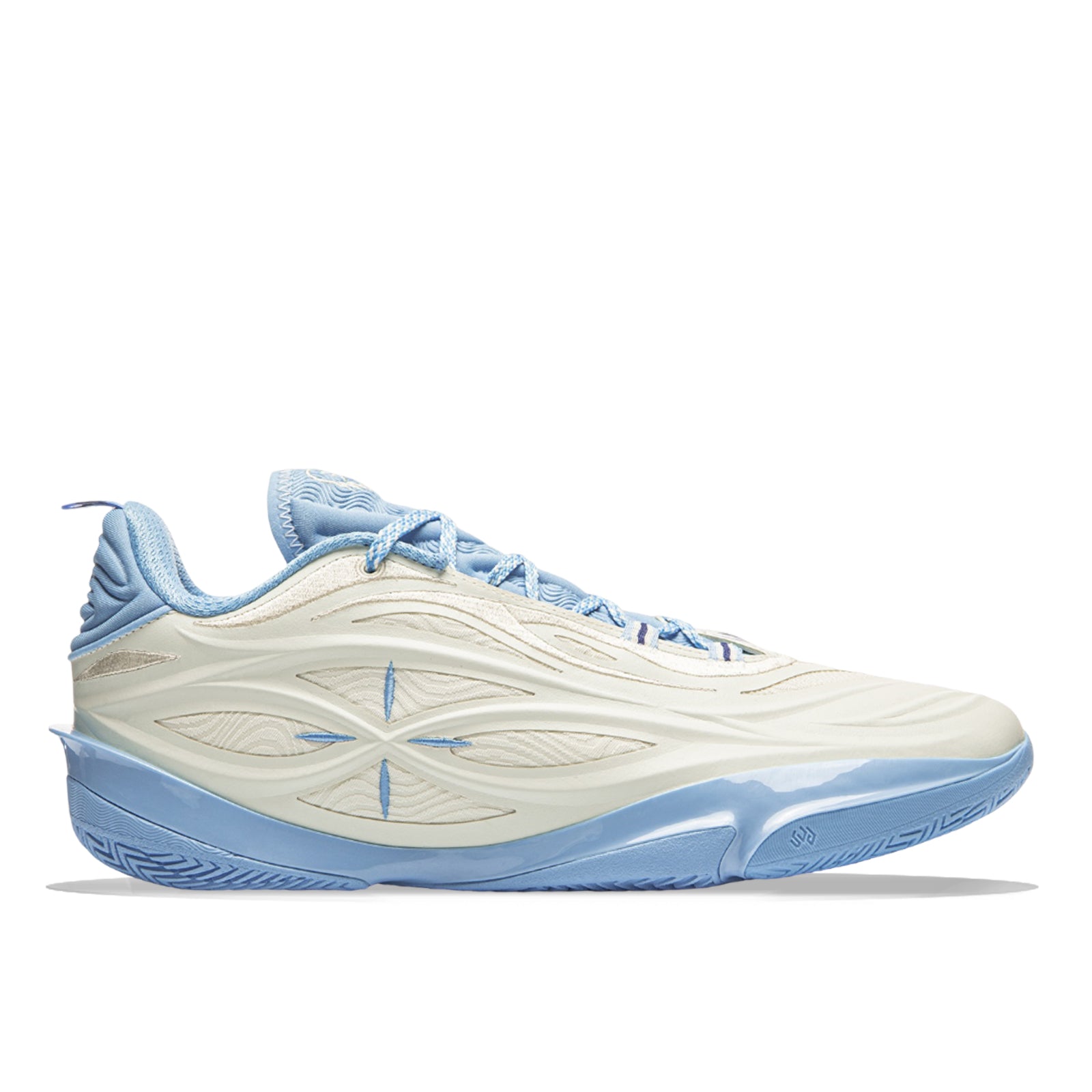
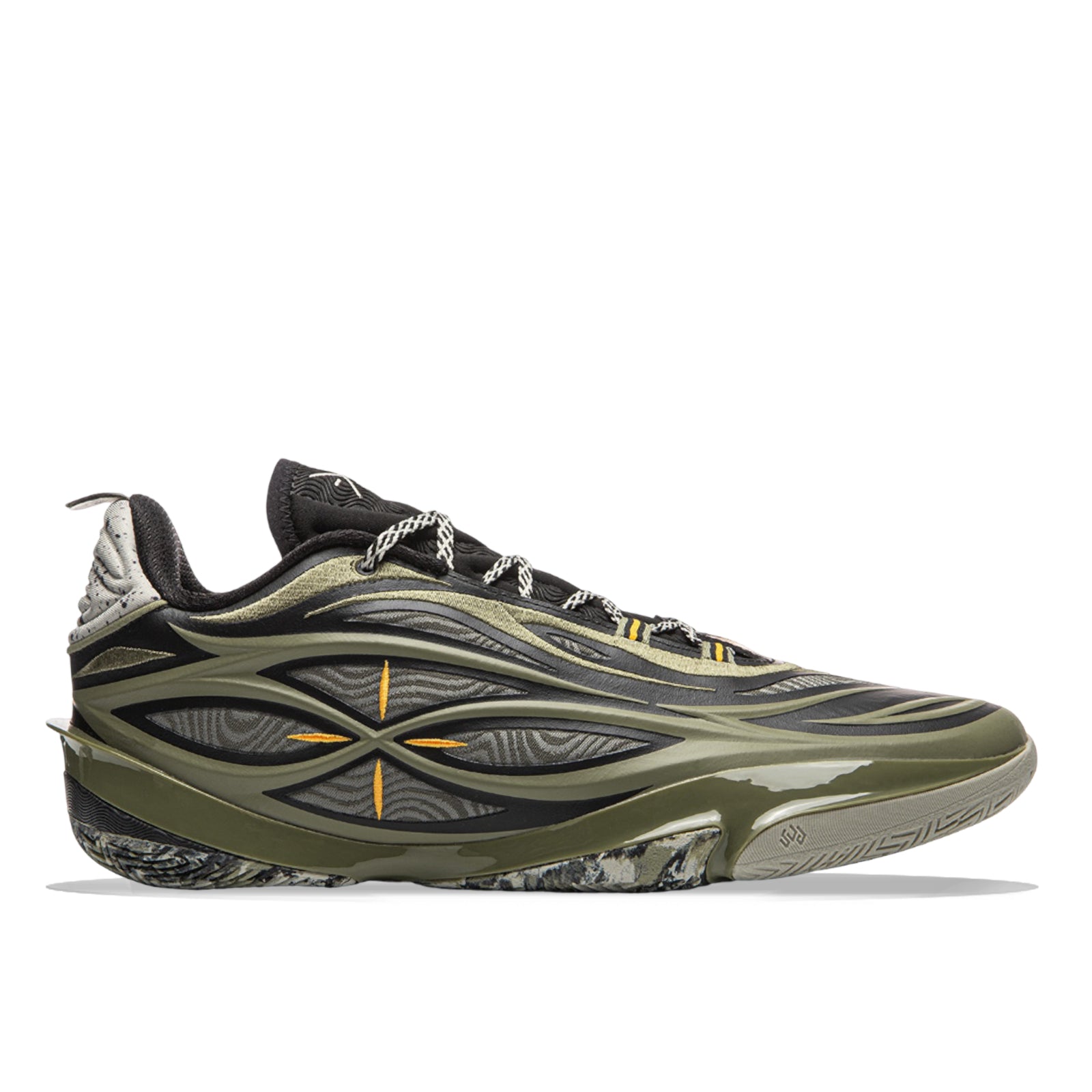
More and more volleyball players, from amateurs to high-level athletes, are choosing shoes originally designed for basketball. And this is no longer a niche phenomenon: Nike, Jordan, adidas, Li-Ning, Way of Wade, ANTA and 361° are all brands whose basketball models are increasingly being used on volleyball courts as well.
But why has this happened?
From Running Shoes to Basketball Shoes
To understand this change, we need to take a step back.
Until around ten years ago, for many volleyball players looking for a lightweight shoe, the alternative to the classic volleyball shoe was often a running shoe.
The reason was simple: running shoes were lightweight, soft and comfortable.
The problem? Volleyball is not running.
On the court, there are constant lateral movements, stops, accelerations, jumps and landings. A shoe designed primarily to support forward movement cannot necessarily provide the level of lateral stability required by volleyball.
Choosing a basketball shoe, on the other hand, represents a much more logical evolution.
Basketball and volleyball actually share many requirements: both are played on parquet or indoor courts, both require explosiveness, jumping, landing and constant changes of direction.
And in recent years, basketball shoes have changed dramatically.
Basketball Has Become Faster. And Shoes Have Evolved
Basketball shoes used to be often high-cut, heavy and built primarily to provide ankle protection and structure.
Modern basketball, however, has become increasingly fast, dynamic and explosive.
Athletes' needs have changed and, as a result, so have their shoes.
Brands have started reducing weight, using lighter materials and developing more responsive midsoles, without sacrificing stability, cushioning and protection.
And this is exactly where the needs of basketball and volleyball have converged.
A modern basketball shoe can now be lightweight, stable, responsive and durable characteristics that are perfectly suited to what a volleyball player is looking for.
Grip, Stability and Durability: The Advantage of Basketball Shoes
There is also one fundamental element: grip.
The best basketball shoes are designed to provide high levels of traction on parquet, because players need to be able to stop, change direction and accelerate again in a fraction of a second.
This characteristic is extremely important in volleyball as well.
On top of that, there is lateral stability, foot containment and structural durability, areas in which modern basketball shoes have reached very high standards.
And there is another element that is often underestimated: durability.
Modern basketball shoes are designed to withstand intensive use and continuous high-intensity movements. For many players, this means being able to use the same pair for longer than several volleyball-specific models.
The Problem with Value for Money
This is where another issue comes into play: price.
For years, volleyball players have been accustomed to paying significant amounts for a shoe specifically designed for volleyball.
The problem is that, according to many consumers, and even more so according to the opinions of industry professionals, the technological evolution of some volleyball models has not always been proportional to the increase in prices.
Technologies such as GEL from Asics or Wave from Mizuno have become distinctive elements of their respective products, but have remained conceptually present for many years, while the basketball sector has accelerated enormously in the development of foams, materials, geometries and support systems.
The result is an interesting paradox: in some cases, a technologically more advanced basketball shoe can cost as much as, or even less than, a dedicated volleyball shoe.
And volleyball players are starting to notice.
The Economies of Scale of Basketball
But why do brands invest so heavily in basketball shoes?
The answer is partly economic.
Basketball is one of the most widespread and followed sports in the world, with an enormous presence in the United States, Europe and especially Asia. The growth of basketball in China and other Asian markets has further expanded its potential customer base.
Some international studies have estimated the number of basketball fans worldwide to be in the billions, making basketball one of the largest global sports markets.
This scale allows brands to benefit from enormous economies of scale.
Investing millions in the research and development of a new basketball shoe can be justified by an enormous potential market. The same investment, applied exclusively to volleyball, would instead have to be spread across a significantly smaller market concentrated in a limited number of countries.
It is a very simple equation: the larger the market, the greater the opportunity to amortize investments.
This is reflected directly in the product.
More sales mean greater investment in R&D (Research and Development), more competition between brands, more technologies, more models and, often, better value for money.
The competitive aspect between brands should not be underestimated either. In fact, brands such as Nike, Asics and Mizuno, effectively holding an oligopoly in the segment, have evolved their products much more slowly than emerging brands such as Li-Ning, Anta and 361 Degrees, which, hungry for market share, have demonstrated that they can outperform the Big Three in terms of performance and quality.
And Then There Is the Aesthetics
We cannot overlook another factor that may be less technical, but is equally important: aesthetics.
Basketball has transformed the sports shoe into a genuine cultural object.
Colorways, collaborations, signature shoes, limited editions and athlete-driven storytelling have created a much broader offering than the traditional volleyball market.
For a young player, choosing a shoe is no longer simply about asking which one is technically the most suitable.
It also means asking: "Which shoe do I like the most?"
From this perspective, basketball simply has much more to offer.
In this regard, Puma should also be mentioned. The signature shoes of LaMelo Ball, produced by the German brand, have become extremely popular among volleyball players in recent seasons, also thanks to their extravagant designs and colorways, in sharp contrast with the clean aesthetic of traditional volleyball shoes.
The Way of Wade Phenomenon
One of the most interesting examples of this change comes from Way of Wade itself.
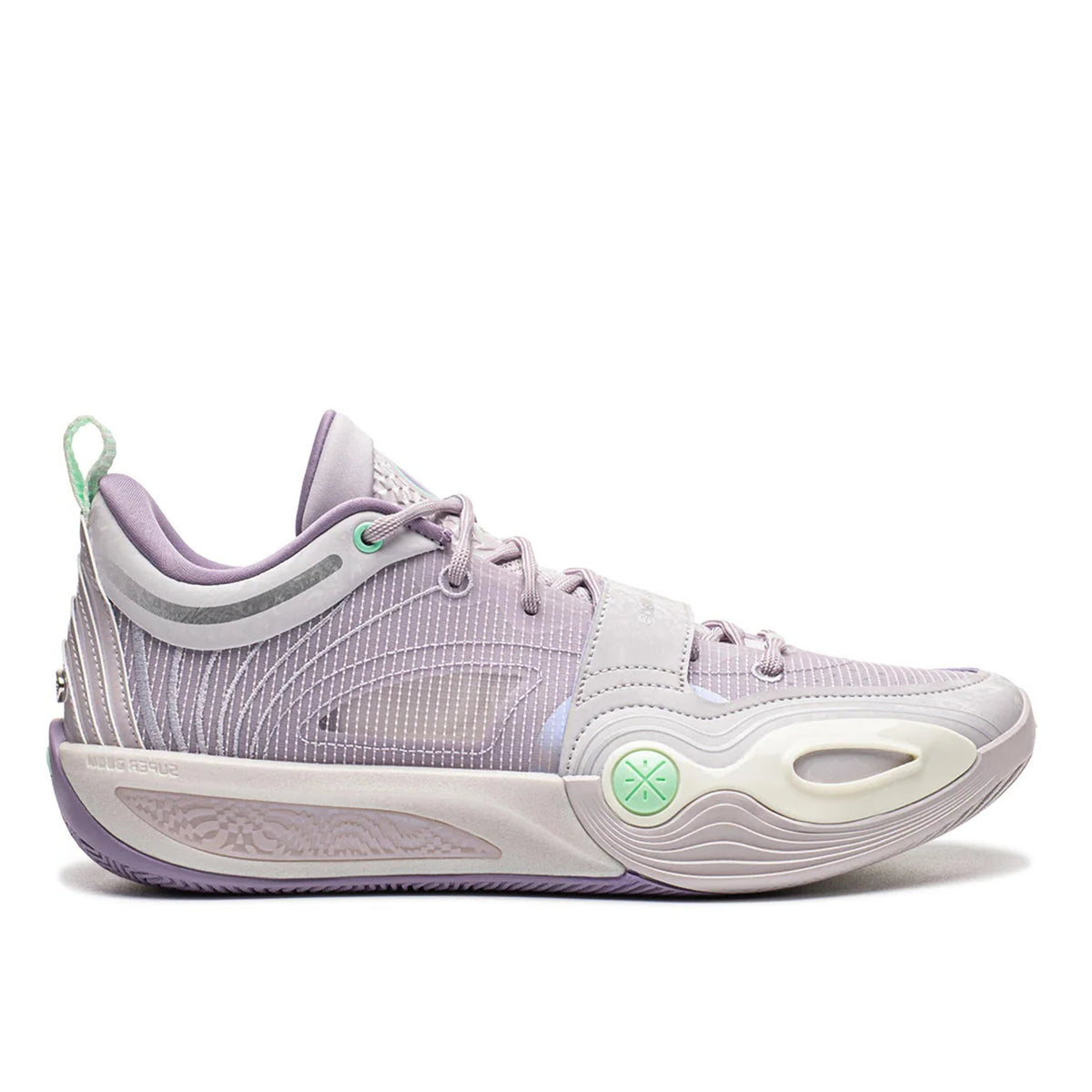
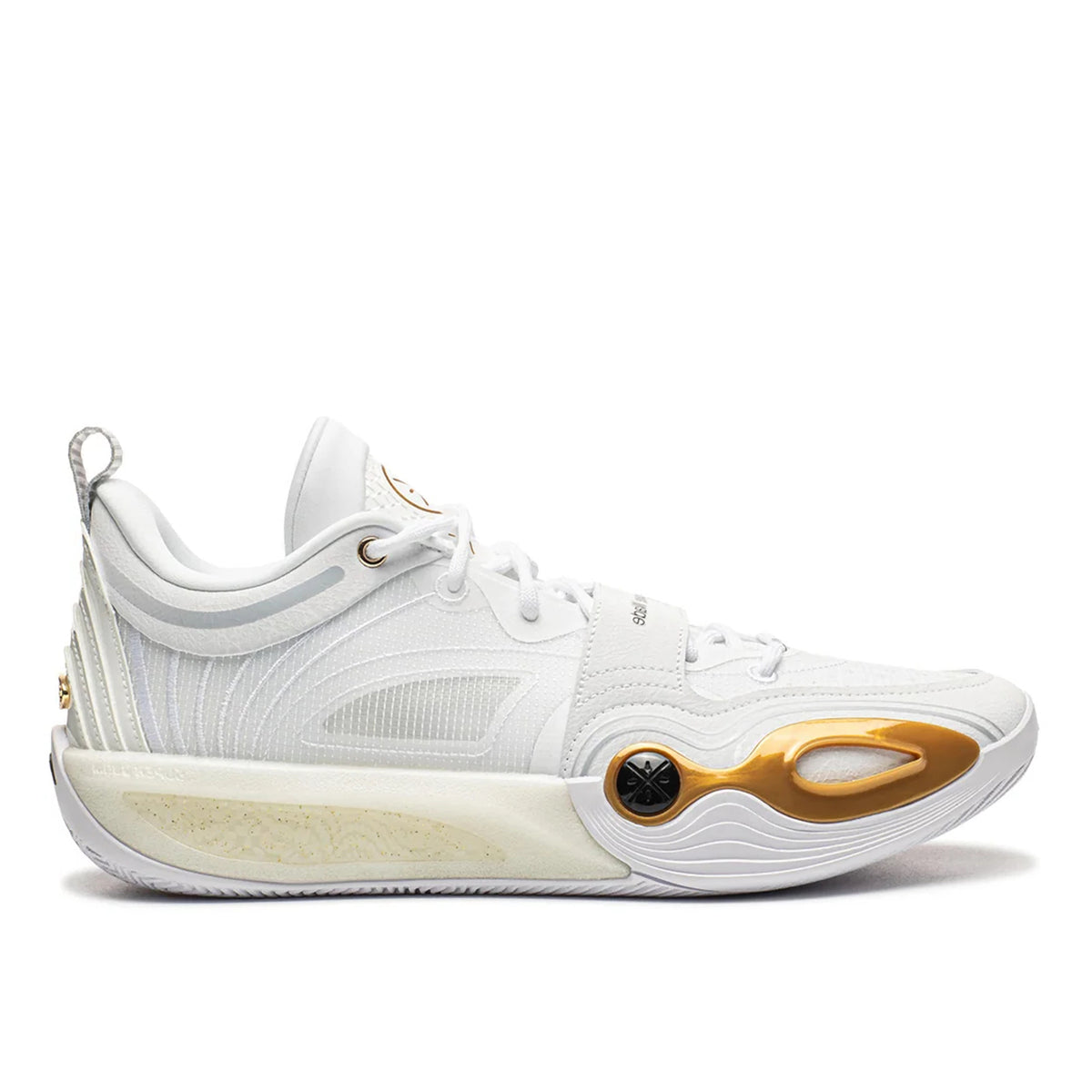
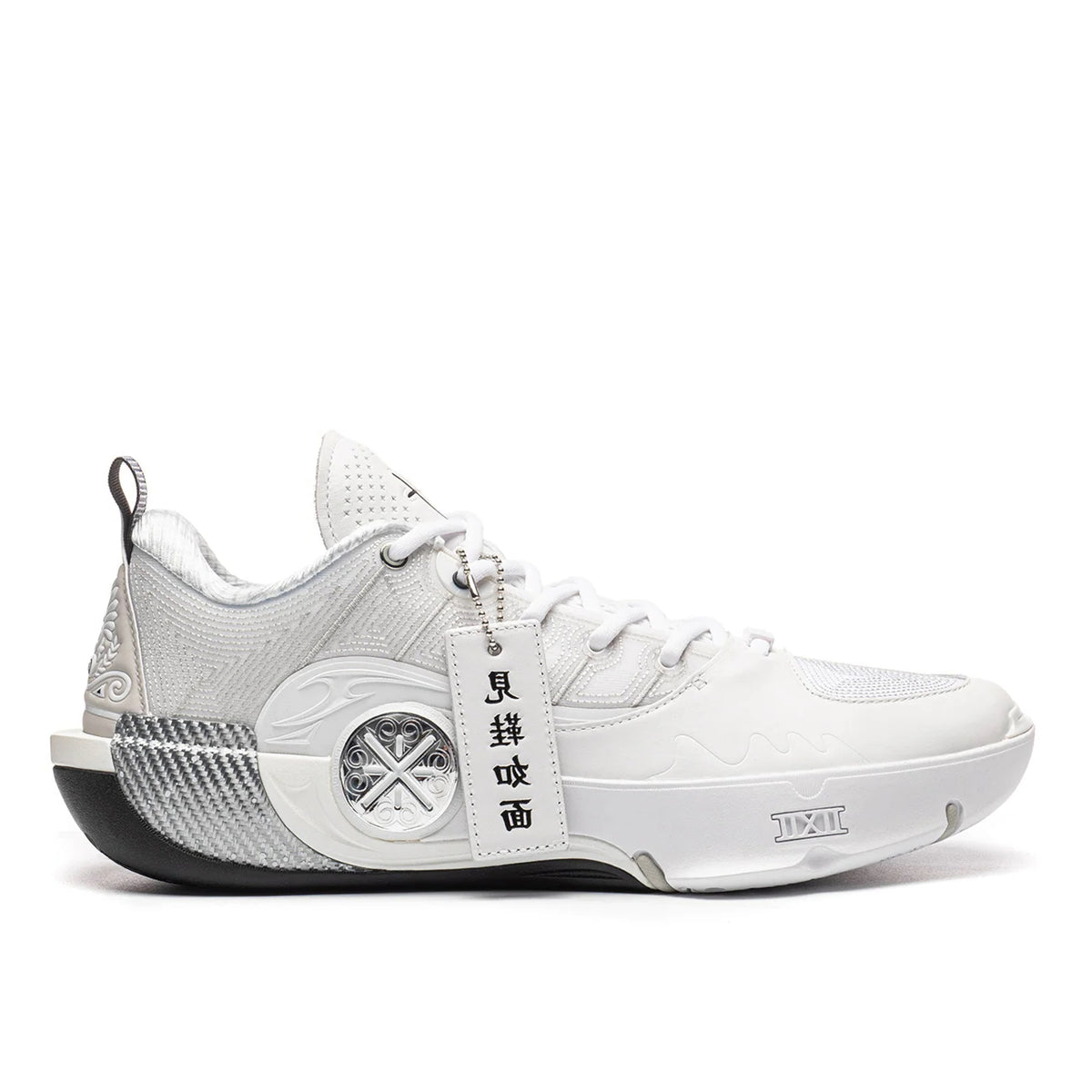
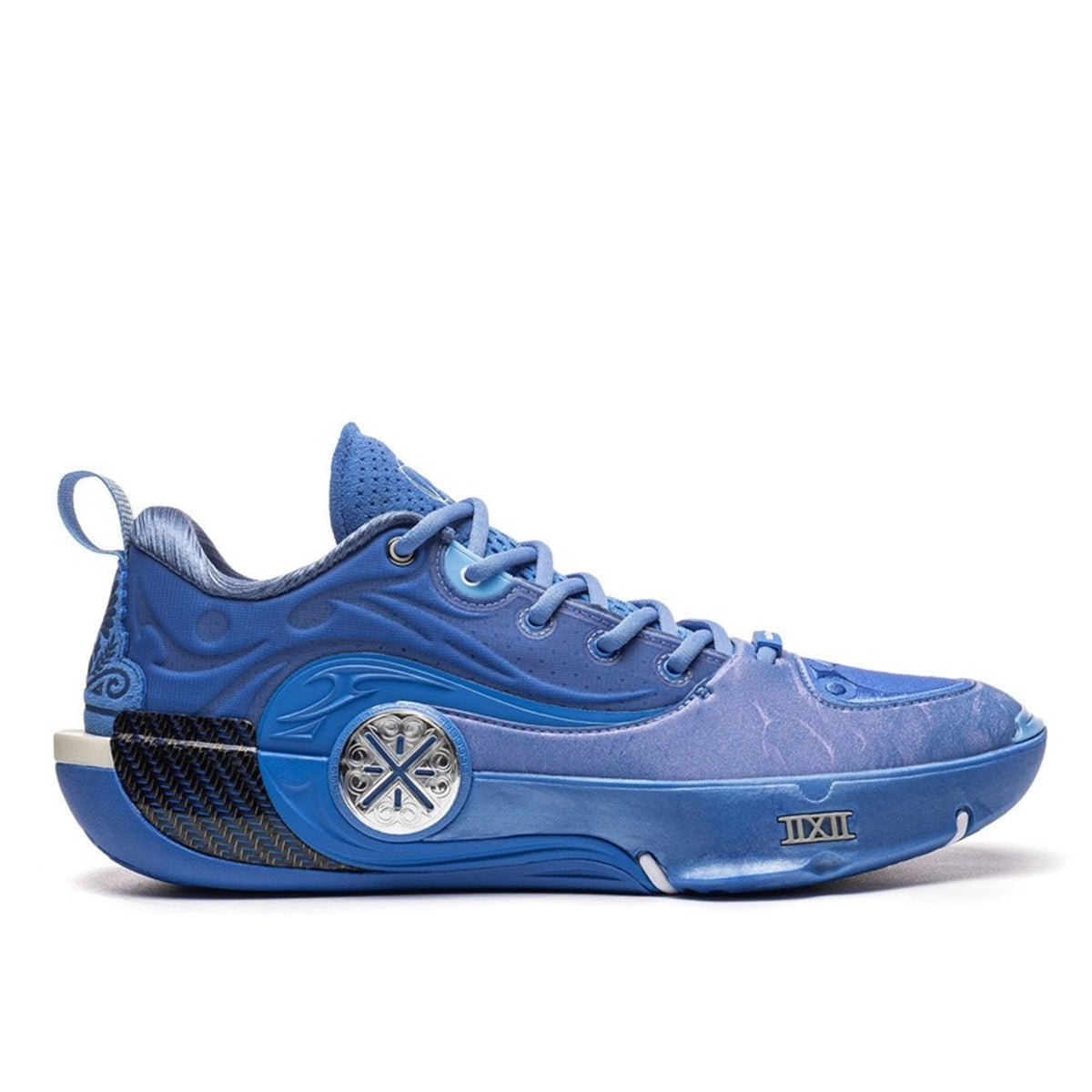
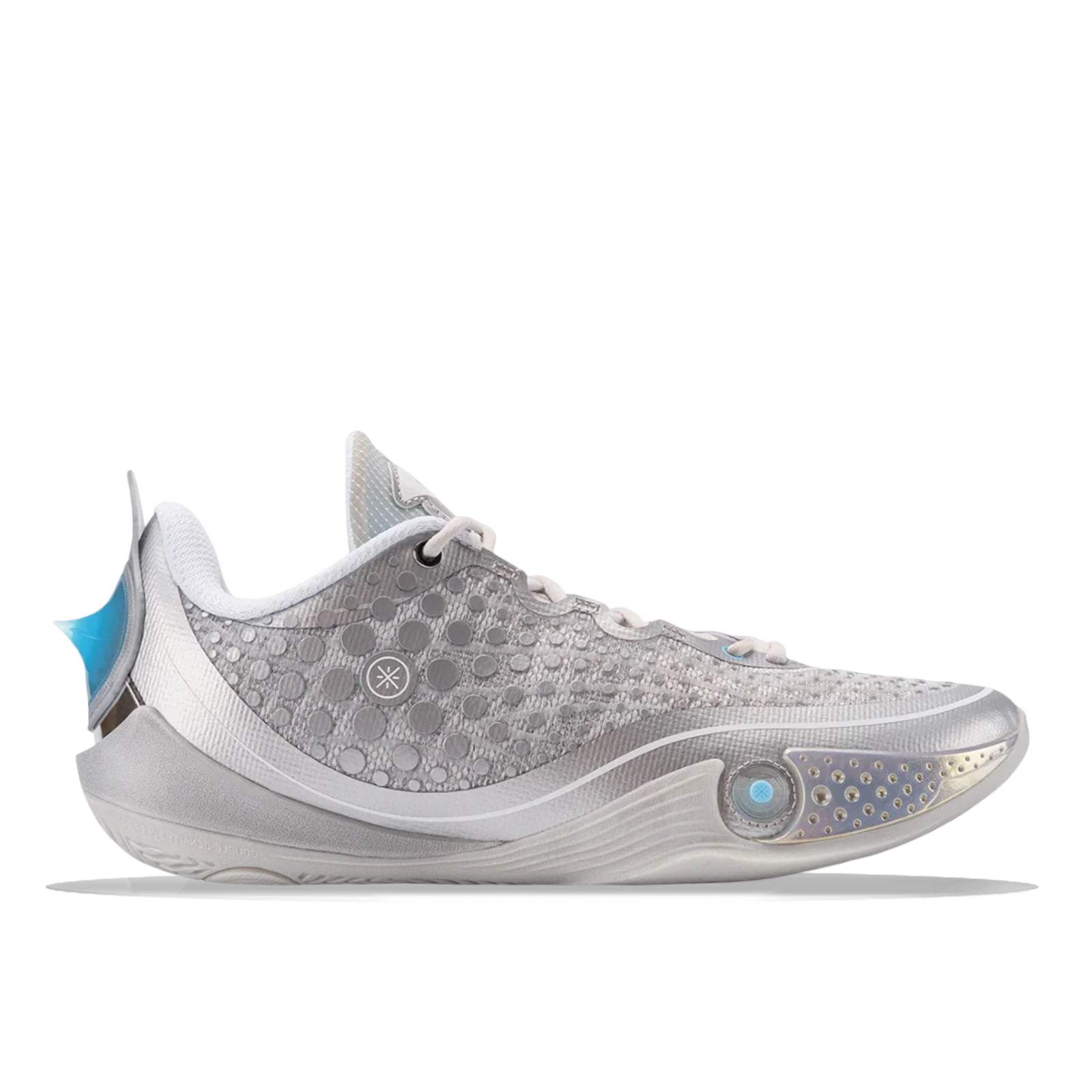
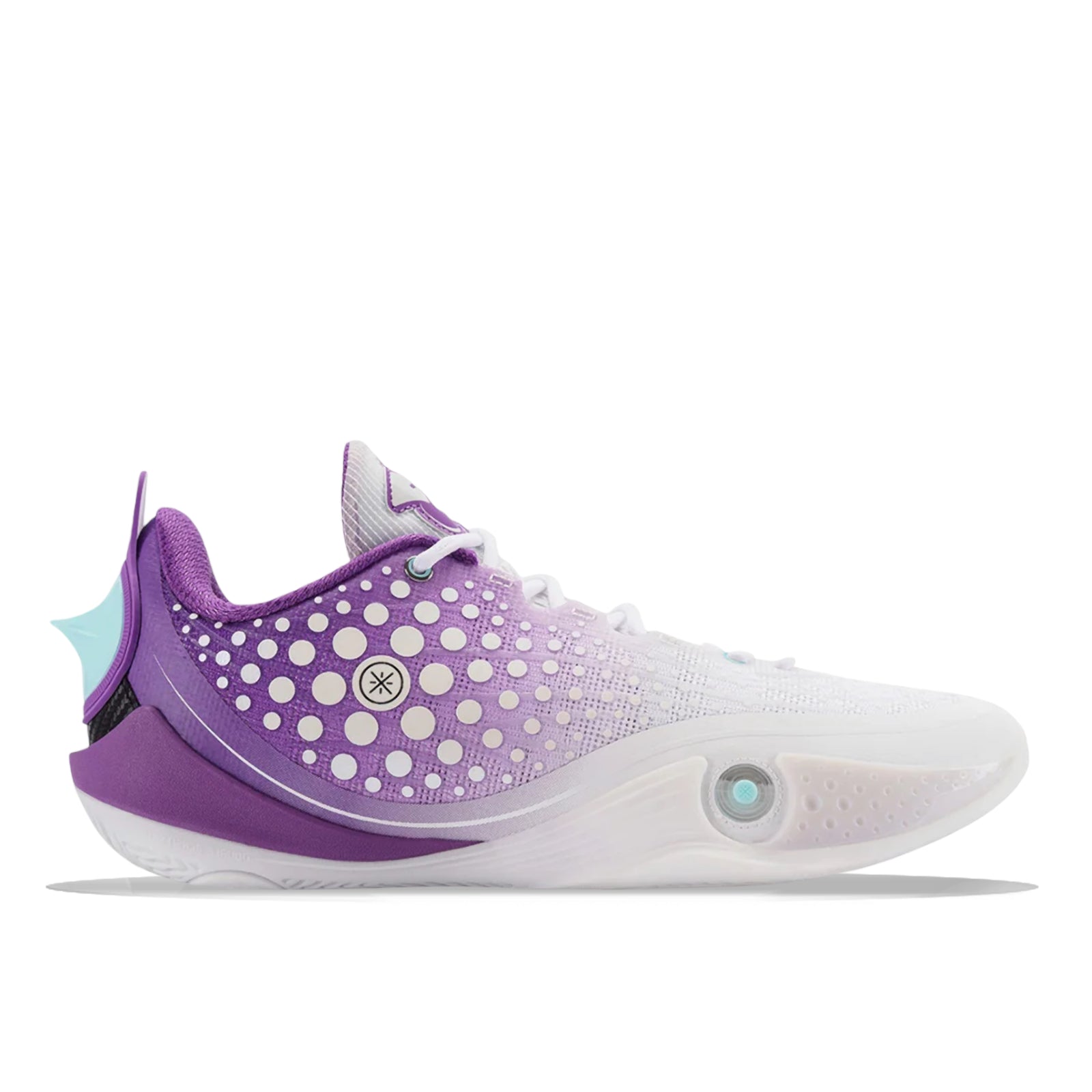
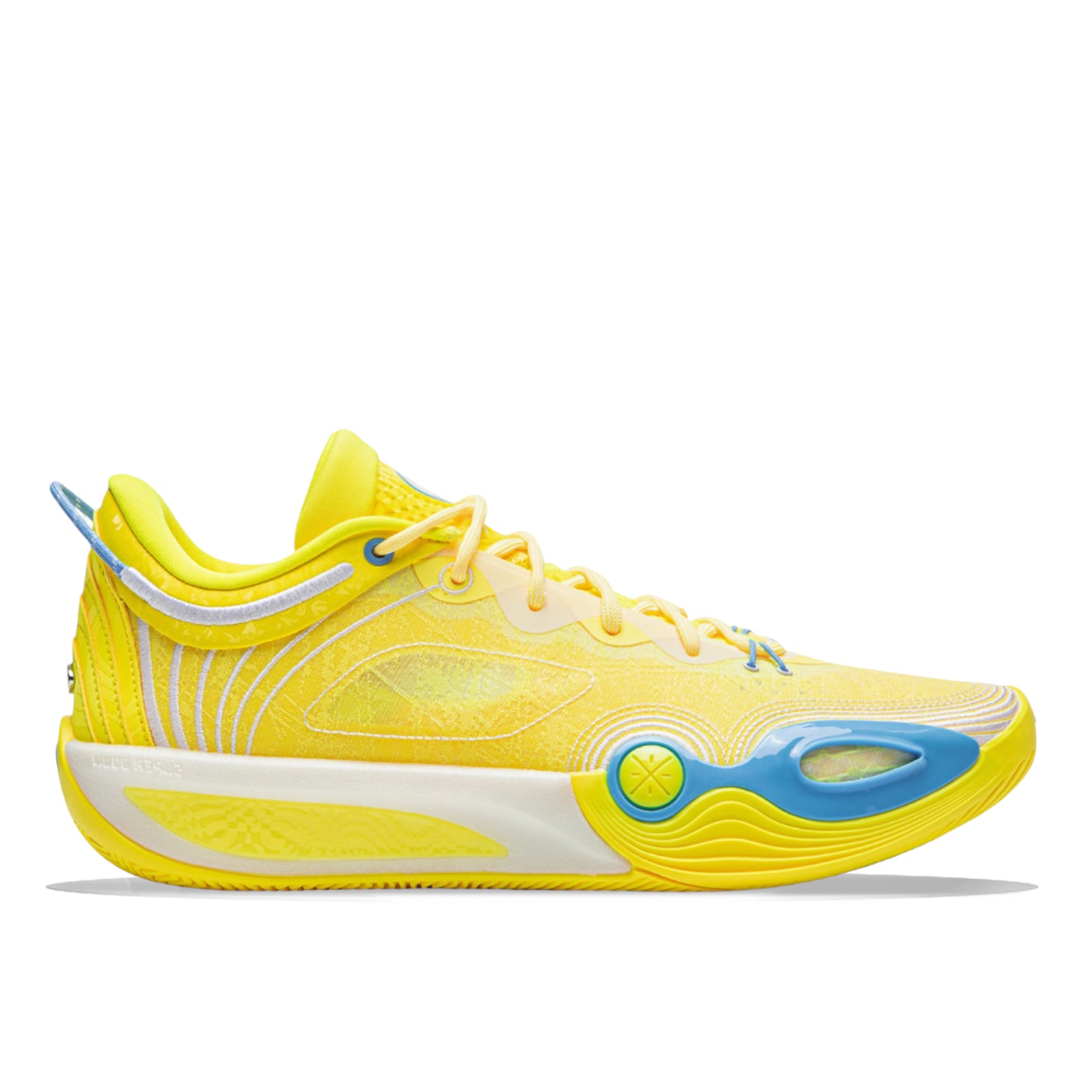
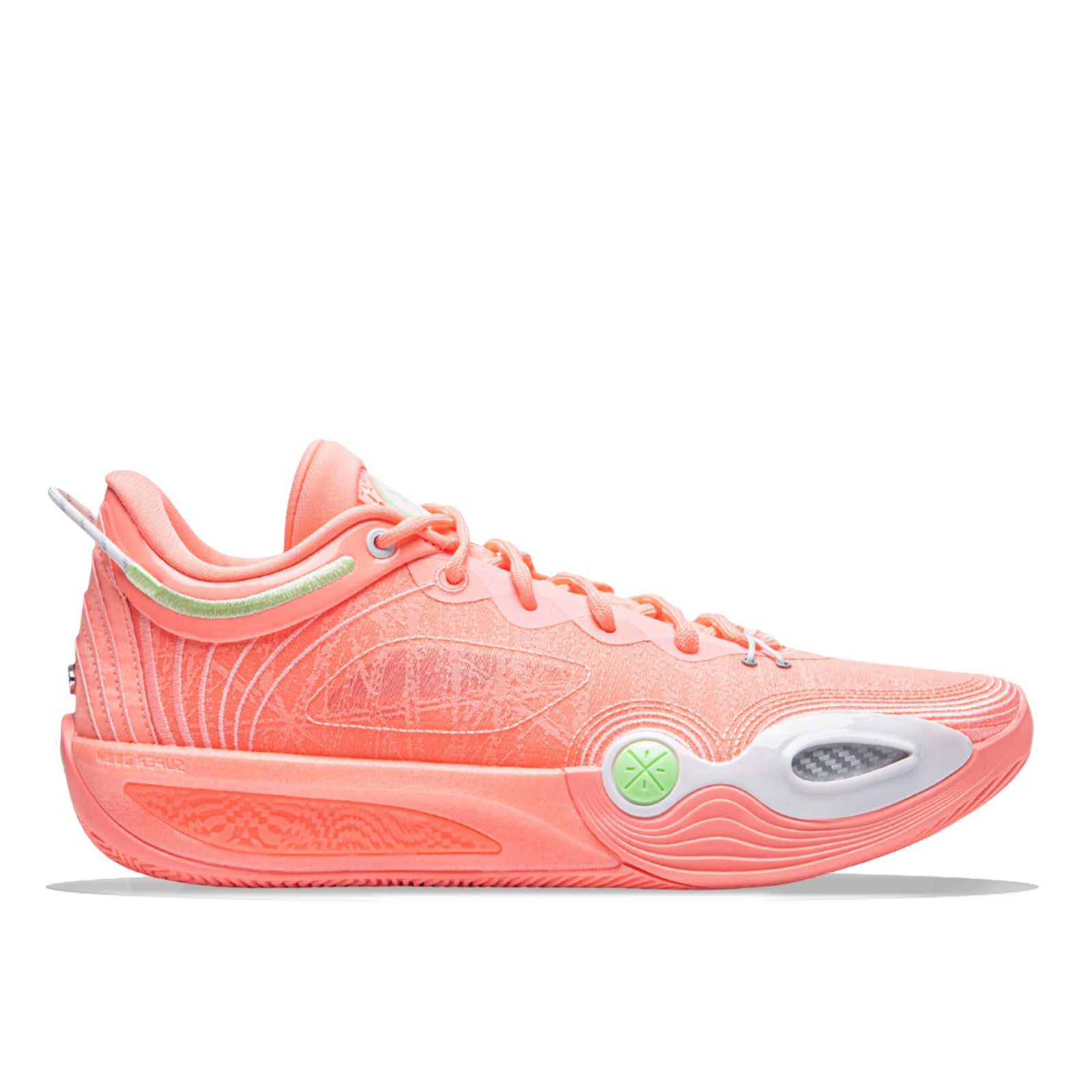
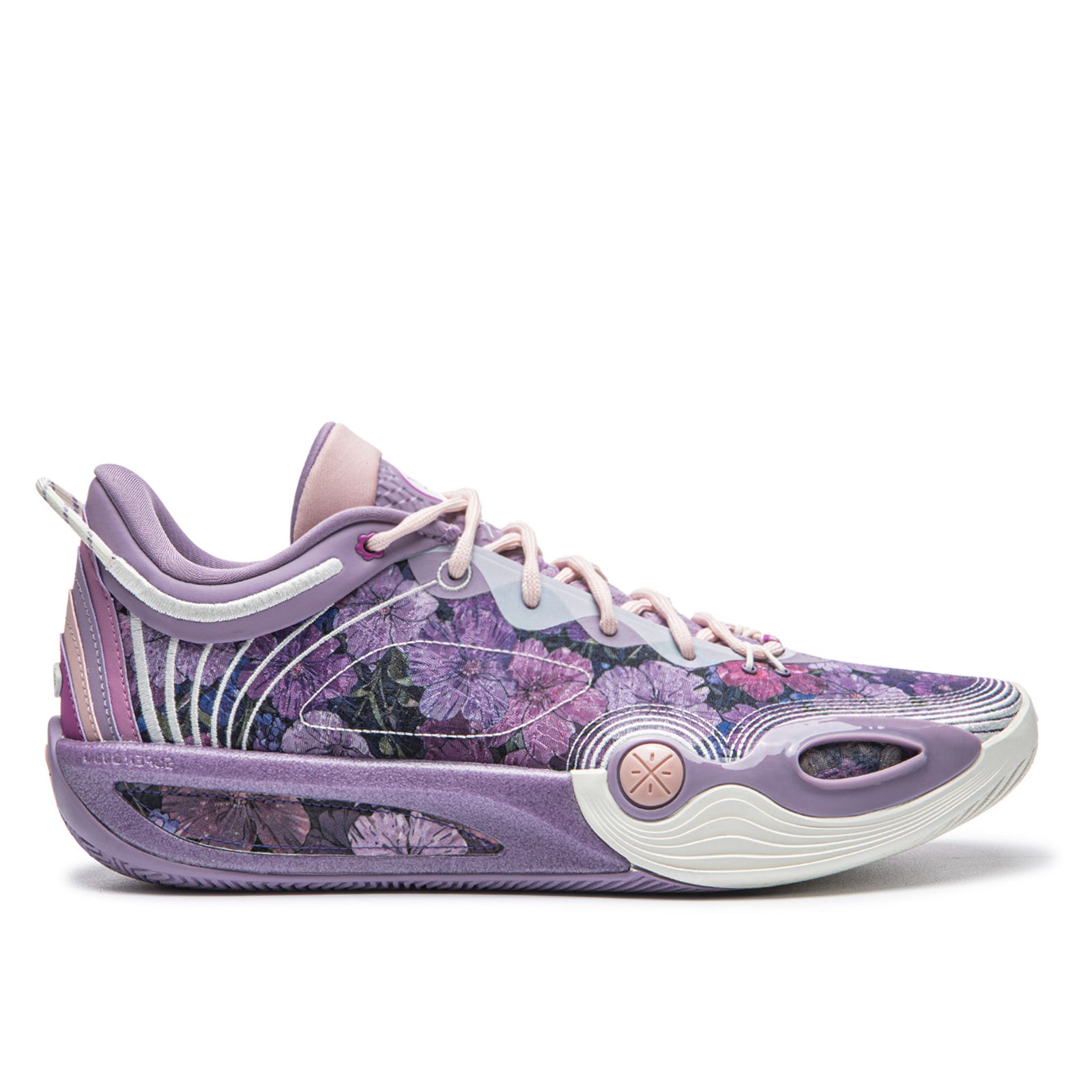
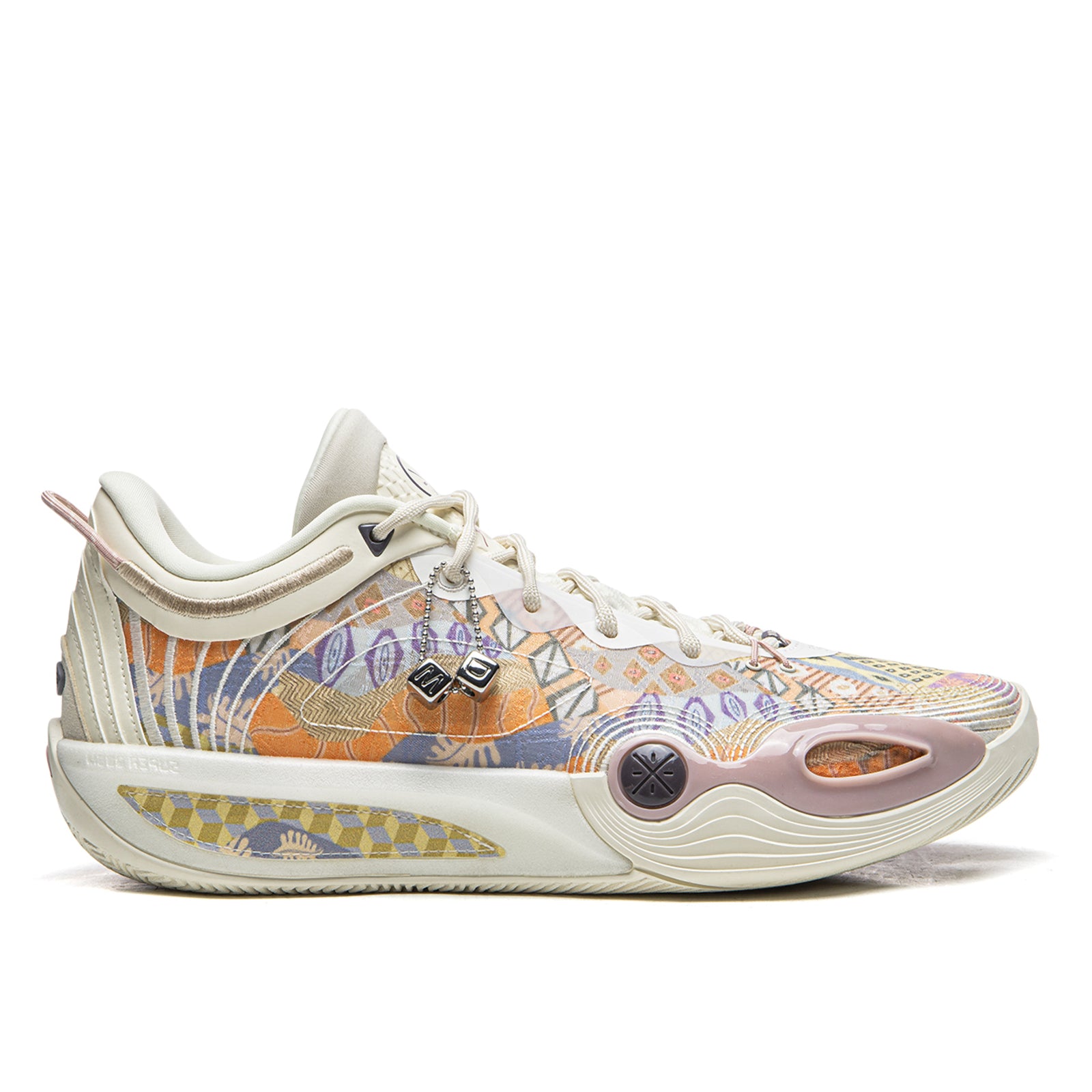
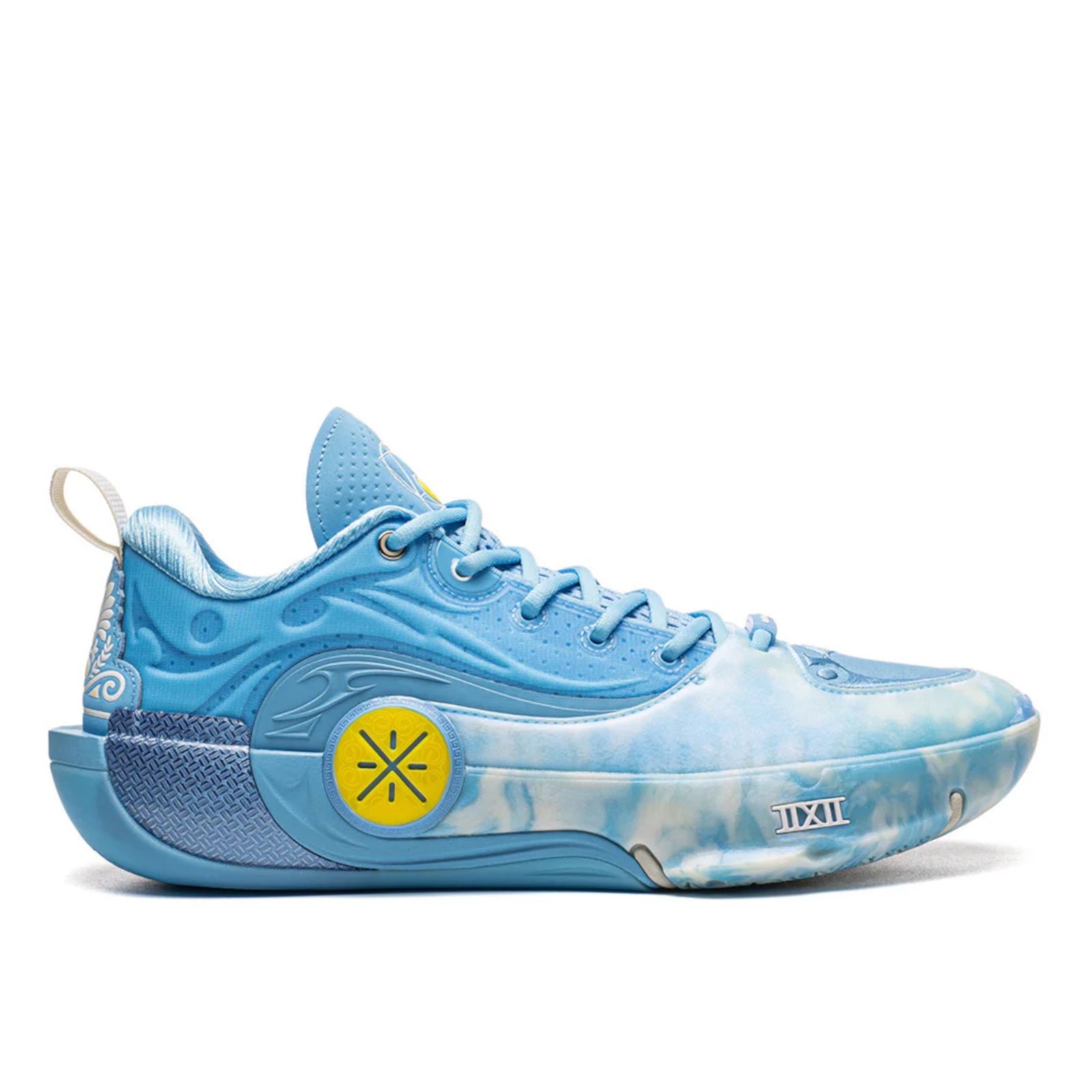
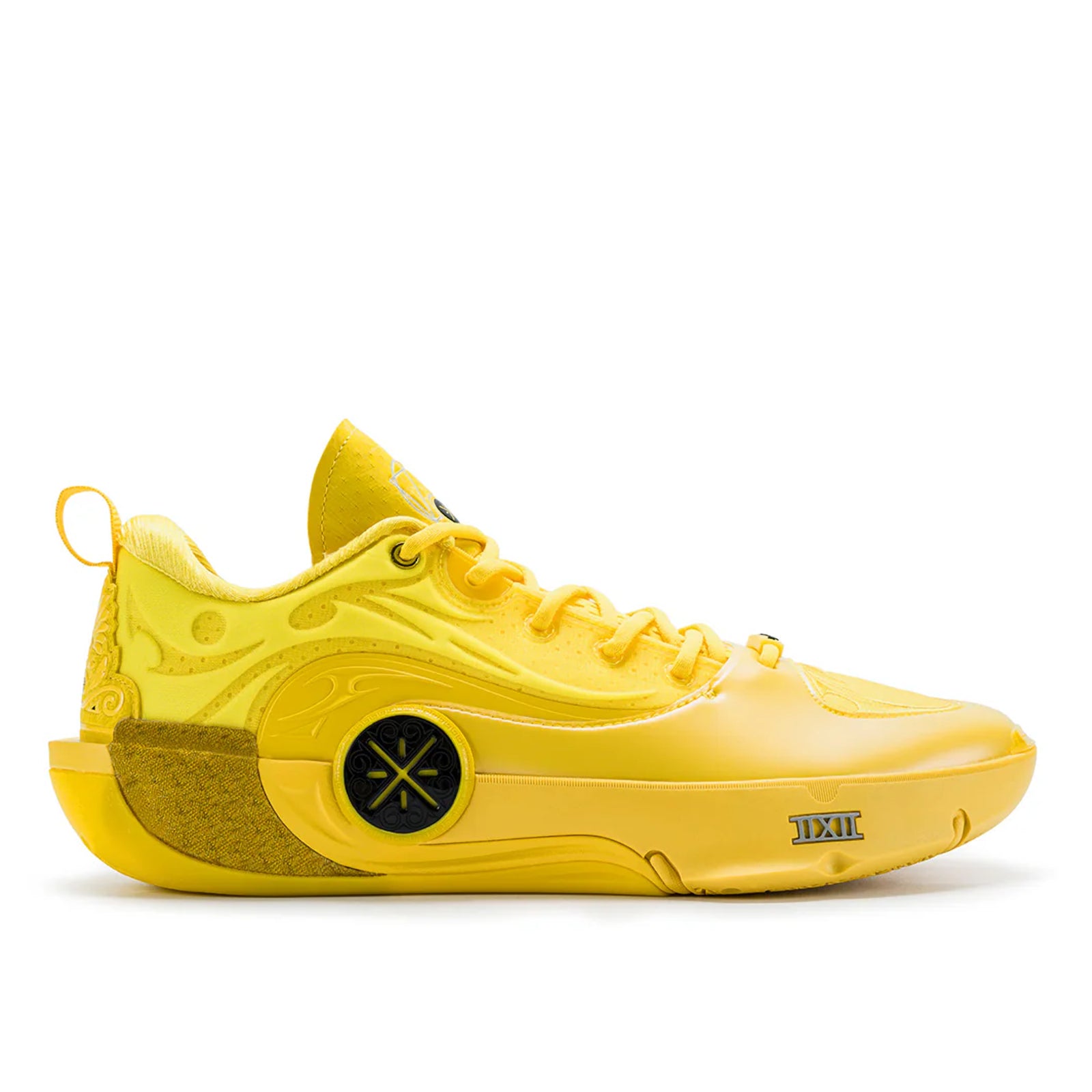
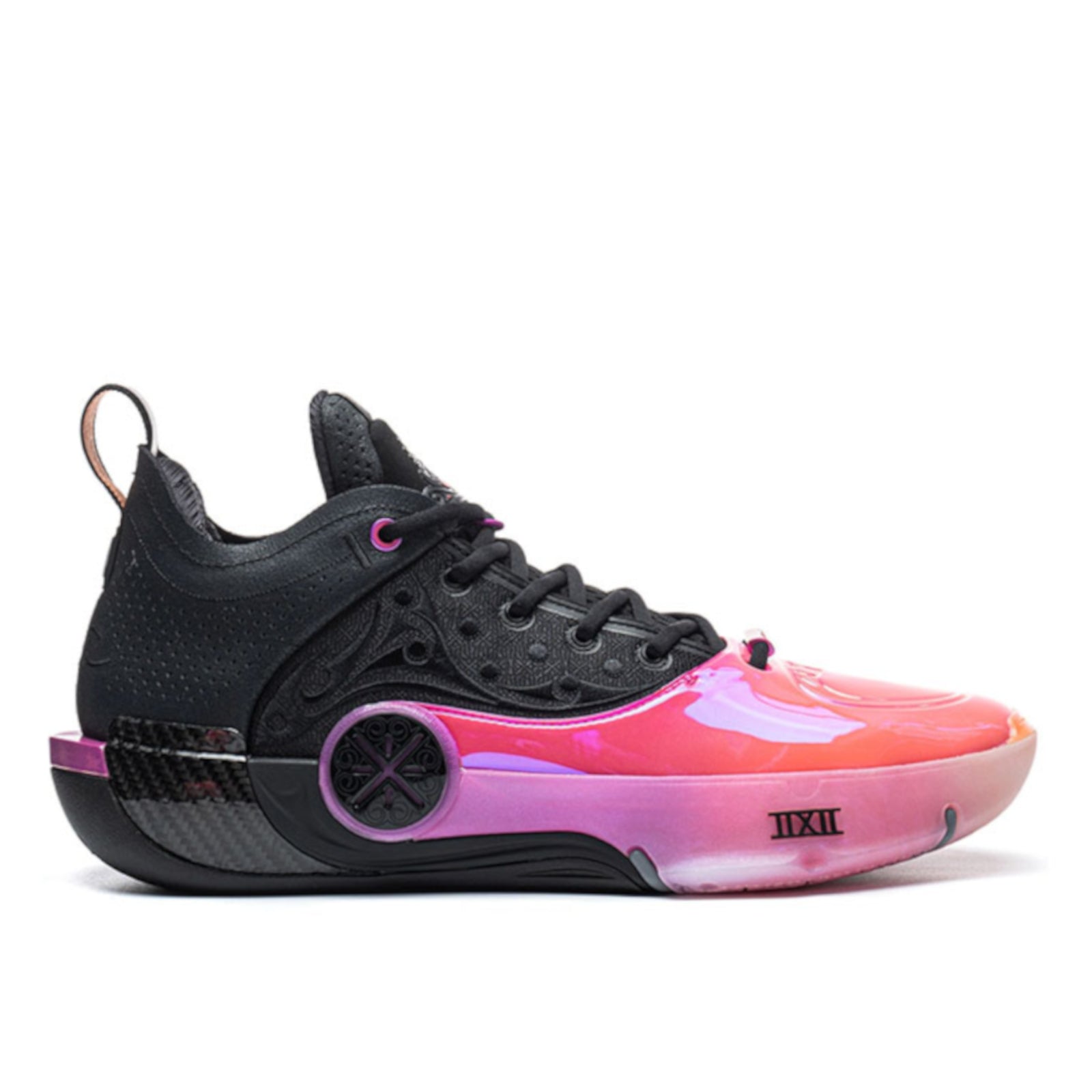
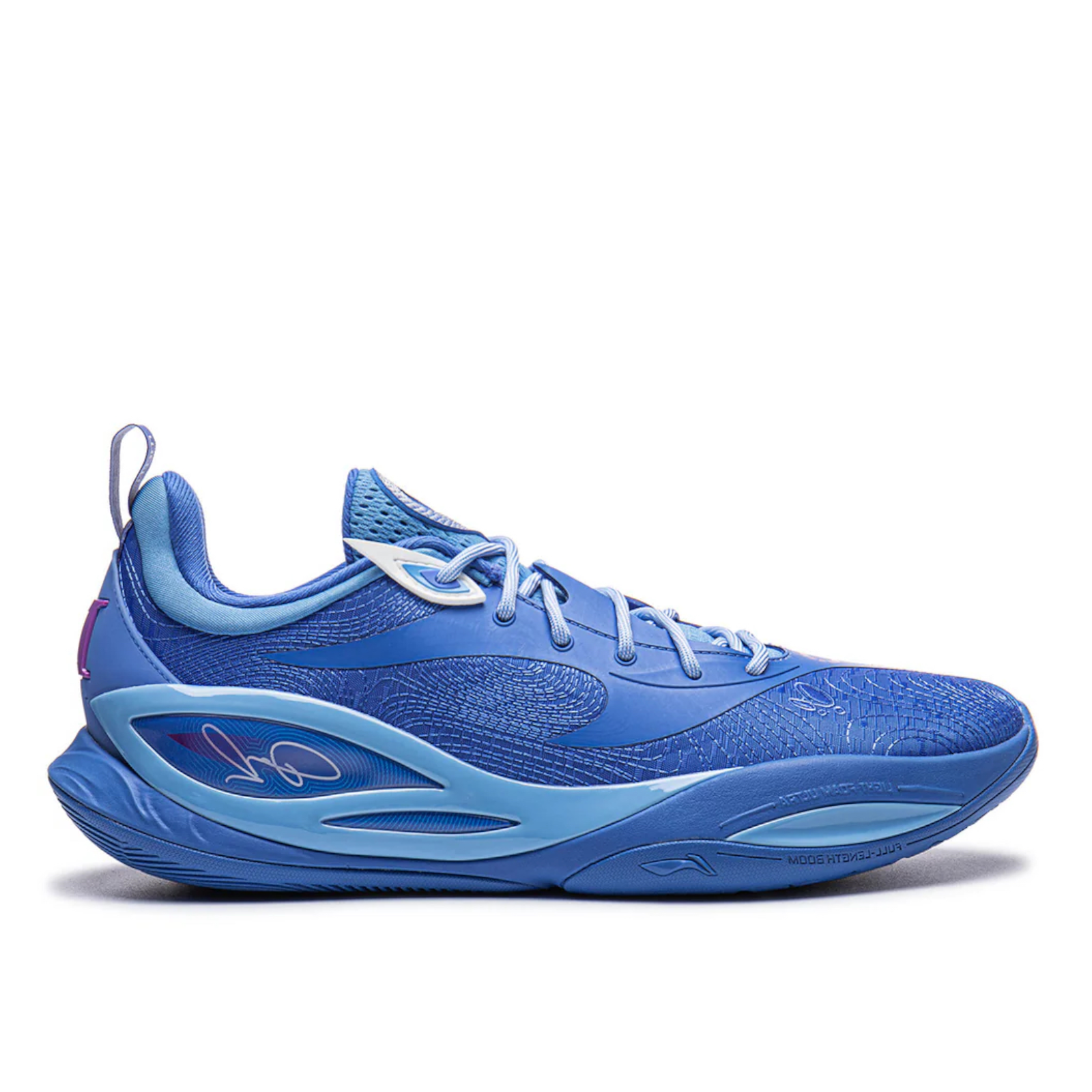
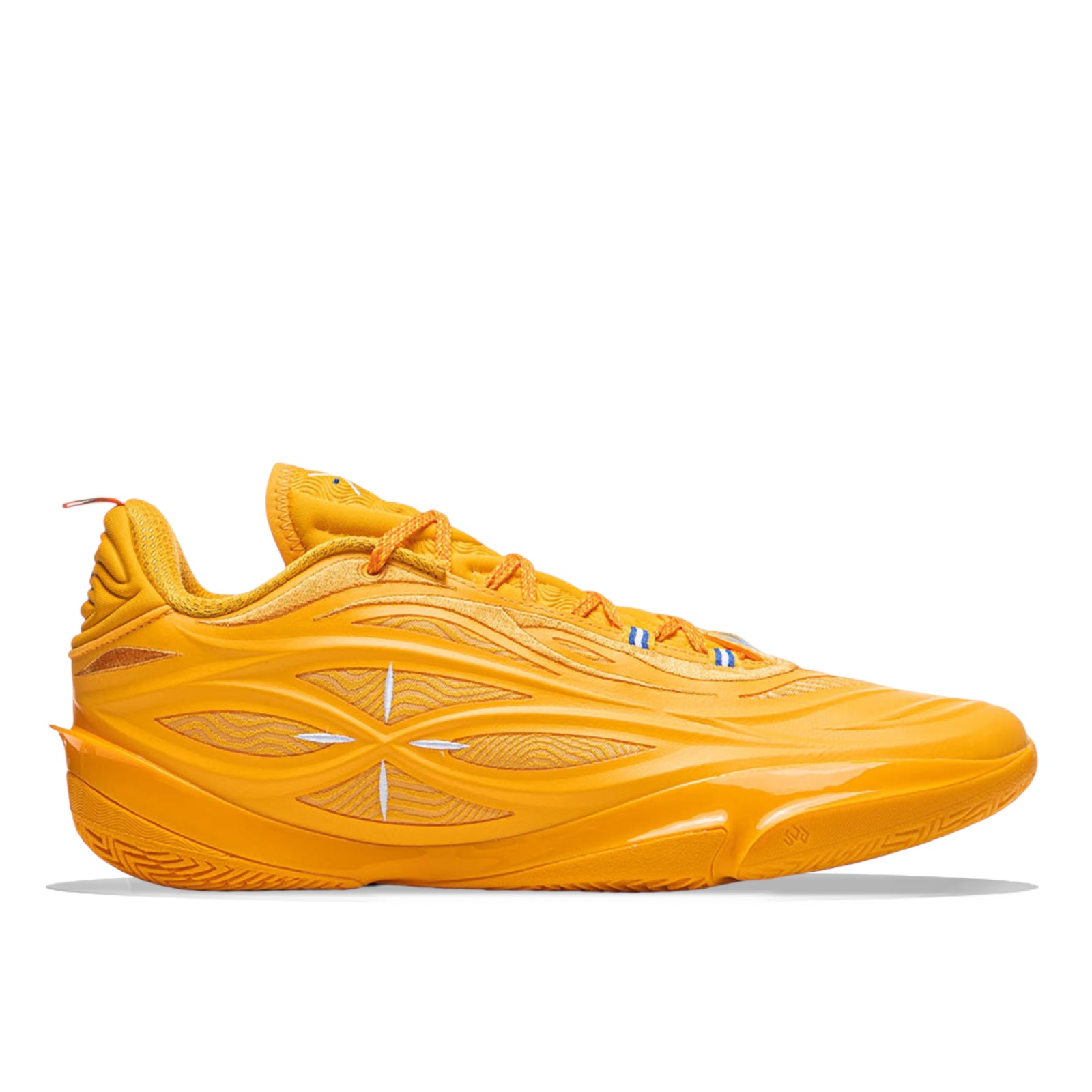
The brand associated with Dwyane Wade has become particularly popular among volleyball players as well, especially thanks to models such as the Wade 10, Wade 12, Wade All City and Wade 808, which offer lightweight construction, grip, responsiveness and stability, often equipped with carbon-fiber plates and latest-generation cushioning foams.
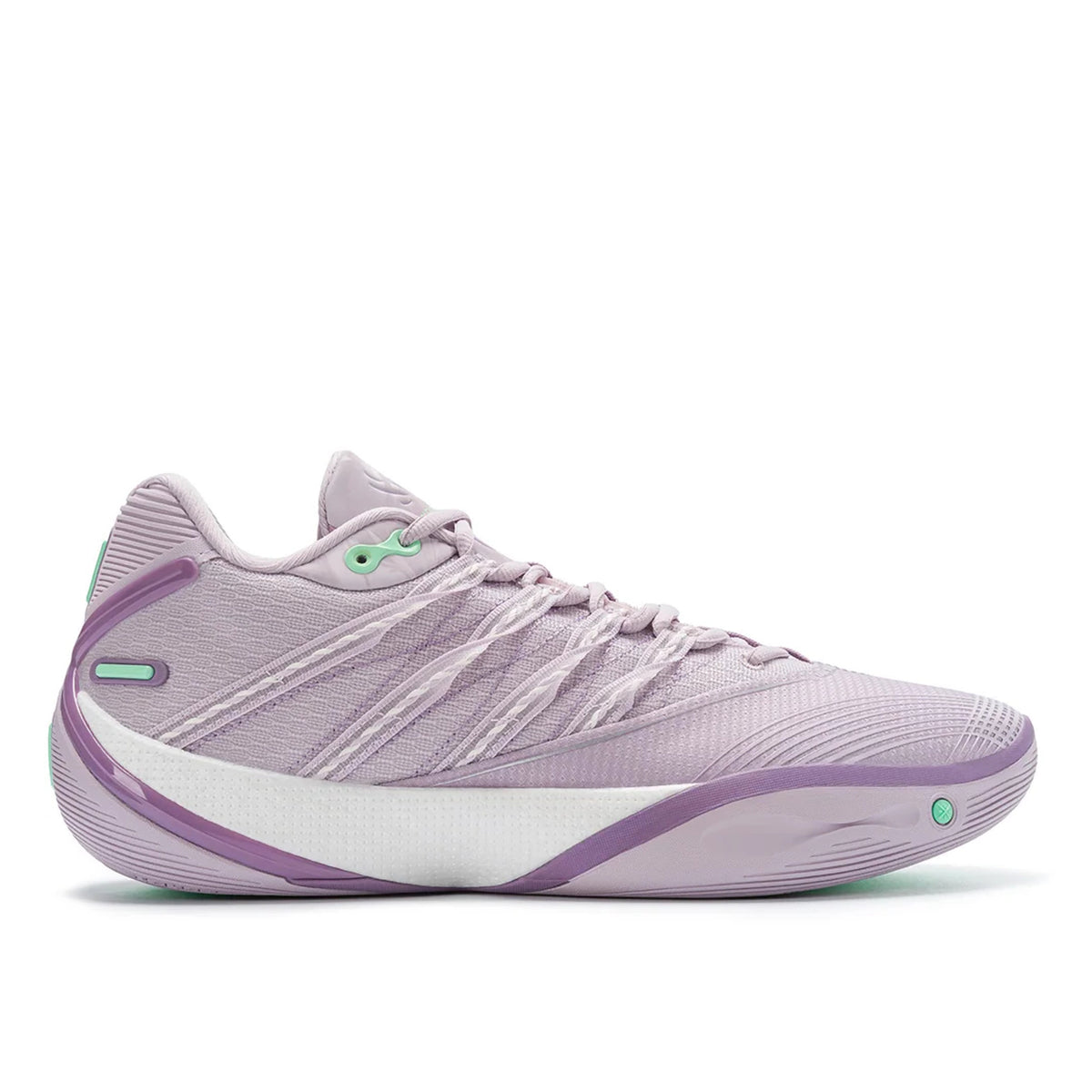
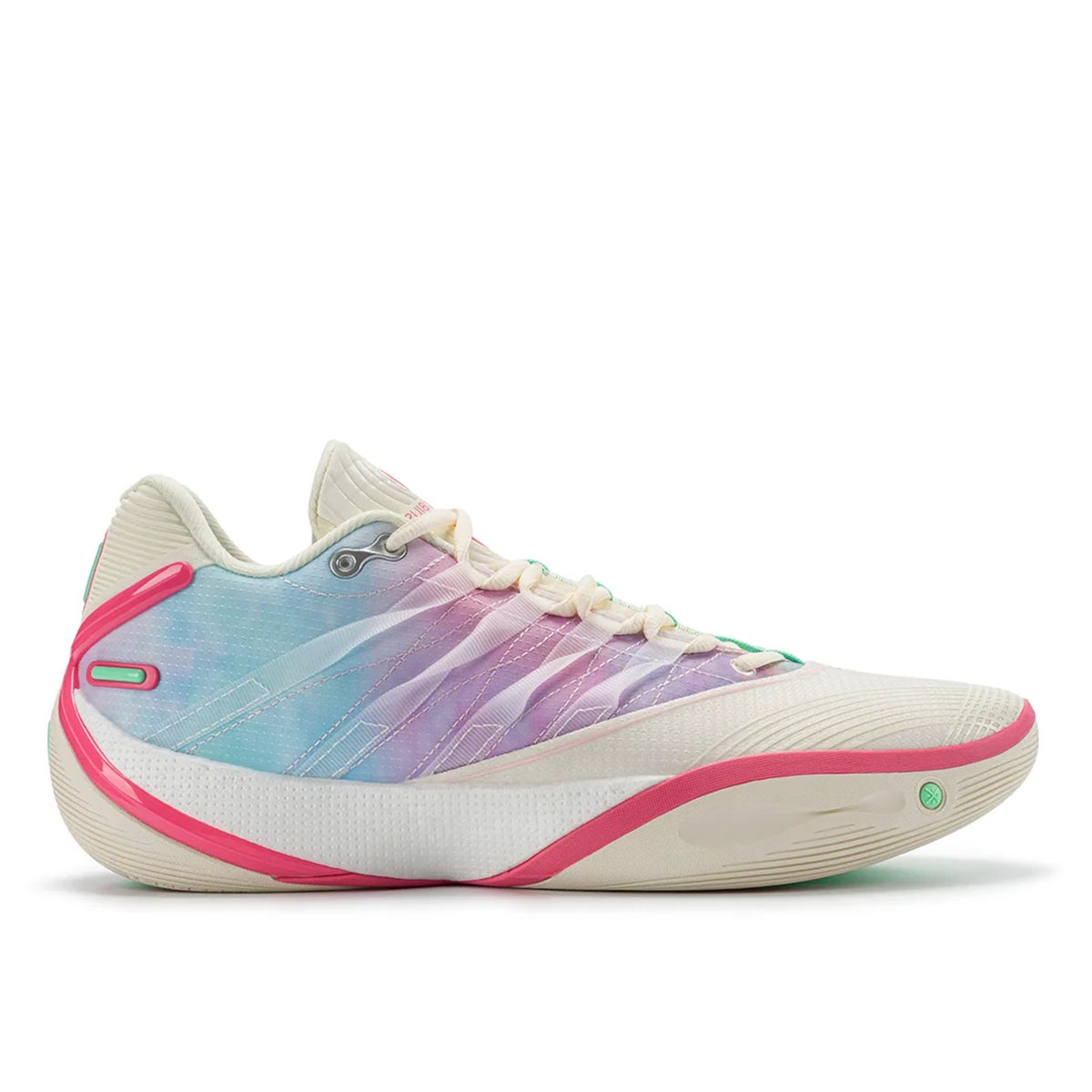
Way of Wade is not an isolated case: Anta and 361° are brands that were born and grew primarily within the enormous Asian basketball ecosystem and are progressively attracting audiences beyond the basketball court as well.
Where Are We Today?
Today, volleyball players have a much broader choice than in the past.
On one side, there are brands historically associated with volleyball, such as Asics and Mizuno, which continue to develop dedicated products.
On the other, there are Nike and adidas, which offer both basketball and volleyball shoes (in some cases, Nike "recycles" basketball designs to create "new" volleyball silhouettes).
And then there are the new protagonists of the global market: Li-Ning and Way of Wade (which are actually the same brand), ANTA and 361°, bringing a new generation of products to the Western market.
The result is that it is no longer unusual to see a volleyball player competing in a shoe originally created for Stephen Curry, LaMelo Ball, Luka Dončić, Dwyane Wade or other major basketball stars.
And What About the Future?
The future will probably not mean the disappearance of volleyball shoes.
It will be something more interesting: the progressive overlap between the two markets.
Volleyball shoes will certainly continue to have their own space and identity, especially for those looking for a product specifically developed for the sport. However, if historic brands such as Asics and Mizuno want to keep up with the times, they will have to put innovation back at the heart of their products, offering athletes a real performance advantage.
Today, past prestige alone is no longer enough: in a market where alternatives are coming from increasingly competitive sectors, the winner will be the brand that can give athletes a concrete reason to choose a volleyball shoe once again.
If a basketball shoe continues to offer the same (or a higher) level of grip and stability, lightweight construction, greater durability, more advanced technologies, a more interesting design and a lower price... why should a volleyball player go back to choosing a volleyball shoe?
Giuseppe Bove Founder of BasketballStore.net and active in specialized basketball retail for over 25 years.